
Community-Based Harm Reduction Programs for Opioid Use Disorder: A Narrative Systematic Review of Effectiveness, Implementation Barriers, and Policy Implications
DOI:
https://doi.org/10.71079/ASIDE.IM.071126729Abstract
Background: This systematic review synthesizes evidence on community-based harm reduction programs and their role in addressing the opioid crisis.
Methods: A narrative synthesis was conducted of 78 studies published between January 2012 and April 2023; meta-analysis was precluded by heterogeneity across interventions, populations, and outcomes. Eligible designs included quantitative observational studies, qualitative/mixed-methods studies, program evaluations, and existing systematic/scoping reviews. Interventions examined included syringe service programs (SSPs), overdose education and naloxone distribution (OEND), overdose prevention centers (OPCs), drug-checking services, and low-barrier medications for opioid use disorder (MOUD). Outcomes included overdose mortality, infectious disease transmission, treatment linkage, and feasibility/acceptability.
Results: OEND scale-up was associated with reduced opioid overdose mortality at county and state levels. SSPs were consistently linked to reduced HIV and HCV transmission. OPCs reported no on-site fatal overdoses despite high volumes of supervised consumption. Integrated SSP-MOUD models improved MOUD initiation and retention, though association strength varied by setting and design. Combined approaches showed favorable cost-effectiveness. Persistent barriers included punitive paraphernalia laws, regulatory constraints, stigma, and rural service gaps.
Conclusion: Key gaps remain in implementation science, longitudinal efficacy of newer interventions (OPCs, drug-checking), and stigma-reduction strategies. Policy implications include integrating harm reduction into mainstream health infrastructure via sustained funding, deregulation to expand providers, mobile/mail-based rural access, and public communication to build legitimacy. Across a heterogeneous evidence base, community-based harm reduction consistently associates with reduced overdose mortality and infectious disease burden. Translating this evidence into equitable, sustainable implementation remains the central challenge for public health policy and practice.
Keywords:
Harm reduction, Opioid overdose prevention, Naloxone distribution, Syringe service programs, Opioid use disorder, Overdose prevention centers (OPCs)Full Text
Introduction
Background on Opioid Crisis
The opioid crisis represents a multifaceted public health emergency, characterized by high rates of addiction and overdose mortality [1]. It is commonly believed to have its roots in the general over-prescription of pharmaceutical opioids that started in the 1990s and planted the seeds of dependency in communities nationwide. This initial wave of policy was inconsistent as it alternated between punitive criminal justice and traditional abstinence-based treatment models [2,3]. These strategies were not effective, being unable to control the increasing death rates, as well as being unable to reach out to the increasing number of people who are not part of the traditional healthcare systems.
Since then, the crisis has passed through several phases, each of which has been very deadly. The shift to heroin was followed by a second wave, which was characterized by the rise of the illicit synthetic opioid market, which, as of today, is characterized by the presence of fentanyl. This powerful, unpredictable drug has reached unprecedented levels of overdose deaths, causing a societal cost that has never been seen before [4,5].
This progression has exposed significant, systemic vulnerabilities in healthcare delivery, social services, and economic policy. The current epidemiological context underscores the need to implement evidence-based interventions that reduce mortality and engage marginalized populations who remain at greatest risk [6,7].
Role of Community-Based Harm Reduction Programs
For this review, "community-based" harm reduction programs are operationally defined as services delivered outside of inpatient or acute hospital settings, within or directly accessible to the communities where individuals who use drugs reside. This encompasses fixed-site facilities (such as SSPs, OPCs, and community health centers), mobile outreach services, peer-led distribution networks, and harm reduction components integrated into primary care or low-barrier clinic settings.
In response to this burden, community-based harm reduction programs have emerged as a pragmatic public health approach. These programs are designed to meet individuals where they are, both geographically and in terms of their readiness to engage, without preconditions [8]. Their guiding principle is to reduce immediate harm and preserve life, serving as a first point of contact with the healthcare system and a foundation for longer-term recovery pathways. This will involve making syringes clean so that no one gets sick, delivering the overdose-reversal medication naloxone directly to the most at-risk individuals to witness an overdose, offering low-barrier access to life-stabilizing drugs for opioid use disorder, and ensuring that there is a safe place where drugs can be used under supervision. They succeed by building trust with people who use drugs, a group often failed by traditional systems [9,10].
Beyond syringe exchange, SSPs frequently represent the primary point of contact between individuals who use drugs and the healthcare system, where participants may also receive wound care, hepatitis testing, or referrals to additional services [11,12]. More importantly, these interdependent connections lead to a longer-term path of treatment and recovery assistance. The most obvious way to realize this life-saving mission, perhaps, is to lend naloxone to friends, family, and peers. This approach expands the effective responder network into communities, and available evidence is consistent with meaningful reductions in overdose mortality [13,14]. Similarly, overdose prevention centers – staffed by trained personnel – have demonstrated the capacity to manage acute overdose events on-site, facilitate referrals to care, and operate without documented adverse effects on surrounding neighborhoods [15,16].
Collectively, these programs provide a continuum of care grounded in principles of safety, dignity, and low-barrier access, serving as a critical link between individuals at highest risk and the broader healthcare system [17].
Research Gaps
Community-based harm reduction is susceptible to scaling and integration due to very serious impediments, even though it has proven to be an effective intervention. The first drawback is the lack of implementation science and cost-effectiveness evidence across various geographical and socio-political settings, especially in rural and underserved areas, where stigmatization and logistical barriers are urgent, as emphasized in the latest global recommendations of the World Health Organization [18,19,20]. Although urban models are more widely documented, there is limited evidence on the adaptation and maintenance of services in urban regions.
The evidence base for newer interventions, such as overdose prevention centers and fentanyl test strip distribution, requires further longitudinal and comparative effectiveness research [21,22]. Additionally, more robust data is needed to quantify the broader public health impact of integrated harm reduction hubs, including effects on healthcare utilization, criminal justice involvement, and community well-being.
A critical and persistent gap is the lack of systematic, multi-level interventions to reduce stigma among healthcare providers, policymakers, and the public. An empirical investigation into effective educational and contact-based strategies is essential to shift attitudes and build the political support necessary for policy change. Addressing these gaps is fundamental to translating these life-saving interventions into standardized, scalable components of the public health infrastructure [23,24,25].
Objective of The Review
This review aims to consolidate the current evidence on the role of community-based harm reduction programs in addressing the opioid crisis. Its primary objectives are to:
By synthesizing this evidence, this review aims to inform public health policy, clinical practice, and future research, building an evidence-based response to the current public health emergency.
Methods
Search strategy
A systematic literature search was conducted to identify articles published from January 1, 2012, to April 30, 2023. This period was chosen to embrace the time frame that would best reflect the emergence of the illicit fentanyl market and how it has been responsible for a great number of overdose deaths [26,27]. This temporal restriction was selected deliberately to capture the period most relevant to the contemporary illicit fentanyl supply, which began reshaping the overdose landscape from approximately 2013 onward and has dominated the crisis in the period since. Readers should note that this restriction may exclude pre-2012 foundational evidence for long-established interventions, such as syringe service programs and naloxone distribution, which have extensive evidence bases predating the fentanyl era. The conclusions of this review therefore most directly pertain to the effectiveness of harm reduction interventions in the context of the contemporary illicit drug supply, rather than constituting an exhaustive historical appraisal of these programs.
The search has been conducted in the following large electronic databases: MEDLINE (through PubMed), PsycINFO, CINAHL Complete, Scopus, Web of Science Core Collection, and Sociological Abstracts. The search strategy used standardized subject headings, as well as free-text keywords of three key concepts, which were The Opioid Crisis, e.g., "Opioid-Related Disorders," fentanyl, overdose, Harm Reduction Interventions, e.g., "Harm Reduction," naloxone, syringe services, supervised consumption, Community-Based Settings, e.g., Community Health Services, grassroots, outreach. Key policy documents and seminal studies published after the formal search end date of April 2023, including some sources dated 2024 and beyond, were examined to provide contextual framing only in the Introduction, Discussion, and Recommendations sections. These post-search sources were not included in the formal narrative synthesis and are clearly used as contextual citations rather than synthesized evidence throughout the manuscript. All studies formally included in the synthesis were published between January 2012 and April 2023.
The complete search strategies for all six databases are provided in Appendix A. The PubMed strategy is presented there as Database 1. Complete search strategies for all six databases are provided in Appendix A (Supplementary Material). The following representative strategies were employed. Only English-language publications were searched. This review was not prospectively registered with PROSPERO or another protocol registry before commencement, which is a methodological limitation to consider when interpreting the findings.
| Concept | Search Terms |
|---|---|
| Opioid Crisis | "Opioid-Related Disorders"[Mesh] OR "Opioid Epidemic"[Mesh] OR "Drug Overdose"[Mesh] OR opioid crisis[tiab] OR opioid epidemic[tiab] OR overdose crisis[tiab] OR fentanyl[tiab] |
| Harm Reduction | "Harm Reduction"[Mesh] OR "Needle-Exchange Programs"[Mesh] OR "Naloxone"[Mesh] OR "harm reduction"[tiab] OR "syringe service"[tiab] OR "needle exchange"[tiab] OR naloxone[tiab] OR narcan[tiab] OR "supervised consum"[tiab] OR "overdose prevention center"[tiab] OR "safe consumption site"[tiab] OR "drug checking"[tiab] OR "fentanyl test strip"[tiab] |
| Community-Based | "Community Health Services"[Mesh] OR "Community-Based Participatory Research"[Mesh] OR community based[tiab] OR community-based[tiab] OR grassroots[tiab] OR "peer led"[tiab] OR "street outreach"[tiab] OR "mobile unit"[tiab] |
| Combined | #1 AND #2 AND #3 |
[Mesh], Medical Subject Headings, a controlled vocabulary term used by PubMed/MEDLINE to index and retrieve biomedical literature; [tiab], Title and Abstract, a PubMed field tag restricting the search term to the title and abstract fields of indexed records; #1, #2, #3, Search set numbers assigned by PubMed when building a combined Boolean search query; AND, Boolean operator combining search concepts to narrow results to records containing all specified terms; OR, Boolean operator broadening results to include records containing any of the specified terms; SSP, Syringe Service Program; OEND, Overdose Education and Naloxone Distribution; OPC, Overdose Prevention Center; MOUD, Medication for Opioid Use Disorder; OUD, Opioid Use Disorder. Note: The search strategy was applied to MEDLINE via PubMed. Equivalent search strategies using database-specific subject headings (e.g., EMTREE for Scopus/Embase; Thesaurus terms for PsycINFO and CINAHL) were developed and applied across all six databases. The combined search covered records published from January 1, 2012, to April 30, 2023, and was restricted to English-language publications.
| Study Design | Assessment Tool | Risk of Bias / Quality Score | Key Limitation | Reference |
|---|---|---|---|---|
| Systematic review and meta-analysis | AMSTAR-2 | Low risk | Heterogeneity across included studies; variable NSP coverage definitions | [28] |
| Mixed-methods cross-sectional | CASP (Qualitative); NOS (Quantitative) | Low-Moderate | Cross-sectional design; self-reported behavioral outcomes; convenience sample | [22] |
| Cross-sectional surveillance | NOS (Cross-sectional) | Moderate | Ecological-level inference; potential for confounding by unmeasured local factors | [29] |
| Umbrella review | AMSTAR-2 | Low risk. Variability in included reviews’ definitions of OEND and mortality outcomes | Variability in included reviews’ definitions of OEND and mortality outcomes | [30] |
| Prospective implementation cohort | NOS (Cohort) | Moderate | Single-site study; no concurrent control group; short follow-up period | [31] |
| Mathematical modeling/cost-effectiveness | Transparent Reporting of a Multivariable Prediction Model (TRIPOD-adapted) | Low risk; model assumptions explicit | Model inputs derived from Massachusetts data; generalisability to other states uncertain | [32] |
| Retrospective cohort / cross-sectional | NOS (Cohort) | Moderate | Observational design; no control arm; single-state implementation | [33] |
| Repeated cross-sectional (10 years) | NOS (Cross-sectional) | Low-Moderate | Relies on survey-based national estimates; treatment category definitions changed over time. | [34] |
| Scoping review | PRISMA-ScR | Low risk | Scoping design does not formally synthesize effect sizes; breadth over depth. | [35] |
| Systematic review (VA Evidence Synthesis) | AMSTAR-2 | Low risk | Majority of primary studies observational; HCV prevention evidence assessed as tentative | [36] |
| Qualitative (focus groups/interviews) | CASP Qualitative | Low-Moderate | Small SSP subsample; findings may not generalize to all SSP types | [10] |
| Qualitative (semi-structured interviews) | CASP Qualitative | Low-Moderate | Purposive sampling; non-urban context may limit transferability | [18] |
| Qualitative | CASP Qualitative | Low risk | Single-practice setting; potential social desirability bias in participant responses | [37] |
| Cross-sectional survey | NOS (Cross-sectional) | Moderate | Self-report; national SSP survey with potential non-response bias | [38] |
| Narrative review/expert guidelines | Expert consensus + literature review | Moderate | Expert opinion component; evidence base for youth-specific interventions limited | [39] |
NOS, Newcastle-Ottawa Scale (cohort scored out of 9, cross-sectional out of 10); CASP, Critical Appraisal Skills Program; AMSTAR-2, A Measurement Tool to Assess Systematic Reviews, 2nd edition; PRISMA-ScR, Preferred Reporting Items for Systematic Reviews and Meta-Analyses extension for Scoping Reviews; TRIPOD, Transparent Reporting of a Multivariable Prediction Model for Individual Prognosis or Diagnosis; PWID, People Who Inject Drugs; SSP, Syringe Service Program; OUD, Opioid Use Disorder; MOUD, Medication for Opioid Use Disorder; OEND, Overdose Education and Naloxone Distribution; HCV, Hepatitis C Virus; VA, United States Department of Veterans Affairs.
Inclusion and Exclusion Criteria
Precisely defined eligibility criteria were used to guide the study selection process, and two independent reviewers conducted screening in two phases (title/abstract and full text). Any discrepancies were resolved through discussion and consensus between the two reviewers.
We have factored in the studies that dealt with individuals with opioid use disorder (OUD) or opioid users, and also the stakeholders, like staff in the program, individuals in the community, or even policymakers in the affected communities [40,41]. The types of eligible interventions were community-based harm reduction programs, e.g., syringe service programs (SSP), overdose education and naloxone distribution (OEND), overdose prevention centers (OPC), drug checking services (e.g., fentanyl test strips), and low-barrier access to medications used to address OUD (MOUD) [42,43,44]. The relevant outcomes required in studies included overdose rates, transmission of infectious diseases, connection with care, and indicators of program feasibility, acceptability, or cost-effectiveness. Original quantitative, qualitative, and mixed-methods research; systematic reviews; and program evaluations that included primary empirical data were all eligible as study designs [32,45]. The publications included were restricted to those in English and published between January 1, 2012, and April 30, 2023.
Articles were excluded when they assessed interventions delivered exclusively in clinical or hospital environments without a community-based outreach component, reported results for non-opioid substances exclusively, or were commentaries, editorials, opinion pieces, letters to the editor, or dissertations not containing primary empirical data. Non-English language publications were also excluded.
This review incorporates both original primary empirical studies and existing systematic and scoping reviews, an approach adopted to provide comprehensive coverage across the range of intervention types and outcome domains under examination. To address the risk of evidence overlap arising from the inclusion of both review-level sources and their underlying primary studies, we applied the following mitigation approach: (1) findings attributed to included systematic or scoping reviews are reported at the review level and clearly identified as such throughout the synthesis; (2) where a primary study was both independently identified and captured within an included review, it is cited once as the primary source; and (3) cumulative quantitative claims, such as the number of studies addressing a given outcome domain, are based on primary studies only and do not double-count review-level sources. Despite these steps, a formal co-citation overlap matrix was not applied, and readers should consider residual evidence overlap as a potential source of overestimation in the apparent consistency of findings, particularly for SSP and OEND outcome domains where review-level sources are most prevalent.
Data Extraction
All data from all included studies were extracted into a standardized, piloted format using the Covidence systematic review software. The lead reviewer performed the extraction, and each entry was confirmed by a second reviewer as accurate and complete. In each study, we extracted key characteristics, including author(s), year of publication, country, study design, and main objectives. More information was provided about the type of harm reduction program (e.g., a syringe service program [SSP] or an overdose education and naloxone distribution [OEND] program), the location where it was operated (e.g., a community, prison, school, etc.), and its intended audience [39,38]. Although the primary scope of this review is community-based harm reduction as operationally defined in the Introduction, a small number of studies conducted in institutional settings – such as correctional facilities or schools – were included where the harm reduction program in question incorporated community outreach components or was explicitly designed to facilitate participants’ transition to community-based services. These settings are identified in the extracted data and are discussed with appropriate contextual qualification, where findings are reported. We also included methodological information such as sample size, data sources, and the analytical approach. Any pertinent quantitative and qualitative research results were harvested, including the main findings and possible null findings, the initial author’s findings, and the mentioned methodological weaknesses.
Because of substantial heterogeneity across interventions, study populations, and outcome measures, formal meta-analysis was not feasible. A structured narrative synthesis was therefore employed, following the Synthesis Without Meta-Analysis (SWiM) reporting guidance to ensure transparency. Studies were first grouped by intervention type (SSP, OEND, OPC, drug-checking, integrated MOUD models), constituting the primary unit of analysis. Within each intervention group, studies were further organized by outcome domain (overdose mortality, infectious disease transmission, treatment linkage, program feasibility and acceptability, cost-effectiveness). Findings within each grouping were then compared directionally across studies, with attention to study design hierarchy, sample characteristics, setting, and methodological quality ratings. Where discordant findings were identified across studies in the same grouping, possible explanations, including differences in population characteristics, follow-up duration, intervention fidelity, or measurement approach, were considered and described narratively. Study quality, as assessed through the design-specific appraisal tools described in Section 2.4, was used to contextualize and weight findings descriptively; lower-quality studies were retained in the synthesis, but their conclusions were interpreted with explicit caution and appropriate qualification.
Quality Assessment
The methodological quality and risk of bias of included studies were evaluated using validated, design-specific appraisal tools. For quantitative observational studies (cohort and cross-sectional designs), the Newcastle-Ottawa Scale (NOS) was used to assess the selection, comparability, and outcome or exposure domains [46,47]. Qualitative and mixed-methods studies were appraised using the Critical Appraisal Skills Program (CASP) checklist, which evaluates the rigor, credibility, and relevance of qualitative findings [48]. Program evaluations were assessed against criteria for methodological transparency, including clarity of study aims, description of the intervention, adequacy of data sources, and reporting of null or adverse findings. It is noted that the NOS and CASP are primarily reporting and quality-assessment instruments; they were used to characterize study quality and contextualize findings, not as formal risk-of-bias tools in the sense of the Cochrane RoB 2.0 framework.
Overall evidence grades were assigned at the intervention-outcome level based on three considerations: (1) the study design hierarchy (e.g., RCT/meta-analysis > observational cohort > cross-sectional/program evaluation > qualitative), (2) the consistency of findings across multiple studies, and (3) the overall methodological quality ratings from the appraisal process. Grade A denoted evidence from RCTs, meta-analyses, or high-quality observational studies with large samples and consistent findings. Grade B denoted evidence from well-designed cohort studies, program evaluations with transparent methodology, or multiple consistent lower-quality studies. Grade C denoted evidence from single studies, uncontrolled evaluations, or studies with significant methodological limitations.
All quality assessments were conducted independently by two reviewers, with discrepancies resolved by consensus. No studies were excluded solely on quality grounds; lower-quality studies were retained in the synthesis but interpreted with appropriate caution and explicitly noted. The results of all quality assessments are summarised in Table 2 (Quality Assessment of Included Studies) and presented alongside the study designs and primary outcomes. Overall, 46 studies (59%) were rated as having a low-to-moderate risk of bias; the most common methodological limitations identified were reliance on self-reported outcomes, the absence of control groups in program evaluations, and potential selection bias in SSP-based cohort studies.
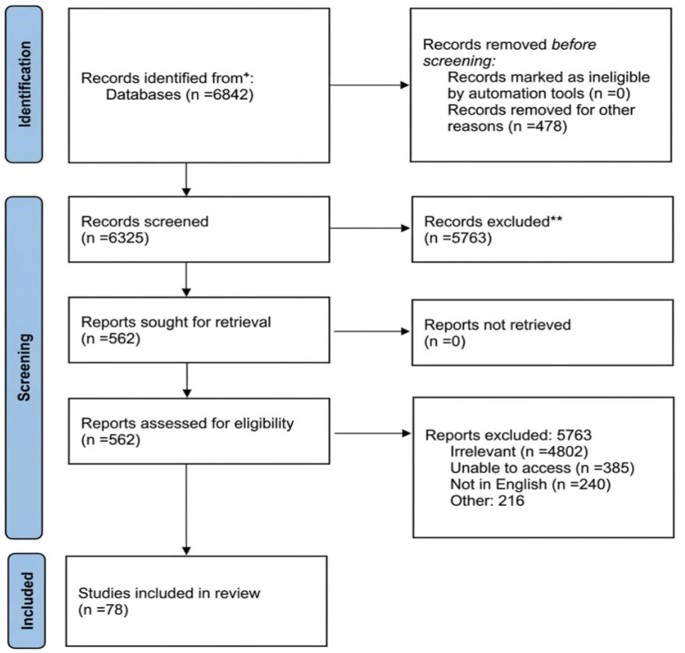
The study selection process followed the PRISMA 2020 guidelines, as shown in Figure 1 [49,50].
Results
Overview of Included Studies
The systematic review identified 78 studies for final inclusion (see Figure 1 PRISMA flow diagram). The evidence base was predominantly North American, with 52 U.S. studies and 15 Canadian studies; the remaining studies were from Australia (n = 6) and Europe (n = 5). By study design, the corpus comprised quantitative observational studies (n = 35), qualitative and mixed-methods studies (n = 28), and formal program evaluations (n = 15).
| Study (Year, Country) | Design | Population | Intervention | Key Outcomes | Evidence Grade | References |
|---|---|---|---|---|---|---|
| Effectiveness of structural-level needle/syringe programs to reduce HCV and HIV infection among people who inject drugs: a systematic review (Multinational) | Systematic review and meta-analysis | People who inject drugs (PWID) across multiple countries | Structural-level needle/syringe programs (NSPs) | NSPs significantly reduced HCV incidence (pooled RR 0.44, 95% CI 0.33–0.58) and HIV transmission among PWID; high-coverage NSPs were associated with greater reductions in the risk of seroconversion. | Grade A (Strong) | [28] |
| Use of rapid fentanyl test strips among young adults who use drugs (USA) | Mixed-methods survey | Young adults who use drugs, Rhode Island | Fentanyl test strip (FTS) distribution | 66% of participants who received a positive FTS result reported a behavioral change, including using less drug, using with others, or carrying naloxone; high acceptability and willingness to use FTS | Grade B (Moderate) | [22] |
| Engaging an unstably housed population with low-barrier buprenorphine treatment at a syringe services program: lessons learned from Seattle, Washington (USA) | Prospective implementation cohort | Unstably housed PWID at SSP, Seattle, WA | Low-barrier buprenorphine at a syringe service program | Demonstrated feasibility of SSP-based buprenorphine for a marginalized population; program successfully engaged individuals with no prior treatment history; moderate retention rates comparable to office-based settings | Grade B (Moderate) | [31] |
| Razaghizad et al. (2021, Multinational) | Umbrella review of systematic reviews | Community populations in opioid-affected areas | Overdose education and naloxone distribution (OEND) programs | OEND programs associated with significant decreases in opioid overdose mortality at community level; high-quality evidence that community naloxone distribution reduces opioid-related death rates | Grade A (Strong) | [30] |
| The effect of overdose education and naloxone distribution: an umbrella review of systematic reviews (USA) | Retrospective cohort / cross-sectional survey | PWID accessing SSPs in California | Telemedicine-based low-barrier buprenorphine at SSPs | 92% of participants who initiated buprenorphine were enrolled in Medicare or Medicaid; 64% returned for prescription refills; model demonstrated feasibility, equity, and scalability of telehealth MOUD delivery at SSPs | Grade B (Moderate) | [33] |
| Modeling the cost-effectiveness and impact on fatal overdose of initiation of buprenorphine-naloxone treatment at syringe service programs (USA) | Cohort-based mathematical modeling and cost-effectiveness analysis | State-level PWID population in Massachusetts | On-site buprenorphine–naloxone treatment integrated within SSPs | Offering on-site buprenorphine at SSPs projected to avert 4,797 (−20.8%) fatal opioid overdoses and generate 129,359 (+8.6%) additional treatment initiations over 10 years versus status quo; cost-saving from a societal perspective | Grade A (Strong) | [32] |
| Has the treatment gap for opioid use disorder narrowed in the U.S.? A yearly assessment from 2010 to 2019 (USA) | Repeated cross-sectional analysis (2010–2019) | Adults with opioid use disorder, nationally representative US samples | Assessment of OUD treatment access trends | Despite expanded treatment infrastructure, the treatment gap for OUD did not significantly narrow over the decade; fewer than 20% of individuals with OUD received any form of treatment in most years, highlighting structural failures in access. | Grade B (Moderate) | [34] |
| Three decades of research in substance use disorder treatment for syringe services program participants: a scoping review of the literature (USA) | Scoping review | SSP participants, USA (51 studies) | SSP as a linkage and delivery platform for SUD treatment and MOUD | SSP participation associated with increased entry into SUD treatment; co-located low-threshold buprenorphine at SSPs reduces opioid use and injection risk behaviors; retention rates comparable to office-based treatment programs | Grade A (Strong) | [35] |
| A Systematic Review. Washington (DC): Department of Veterans Affairs (US), Evidence Synthesis Program (USA) | Systematic review (100 primary studies, 17 SRs) | PWID across the USA | Syringe service programs (SSPs) | Sufficient evidence that SSPs prevent HIV transmission; tentative evidence for HCV prevention; SSP use significantly reduces injection risk behaviors; SSP presence does not increase neighborhood crime, injection frequency, or unsafe syringe disposal | Grade A (Strong) | [36] |
| Impact of drug consumption rooms on non-fatal overdoses, abscesses and emergency department visits in people who inject drugs in France: results from the COSINUS cohort (France) | Prospective observational cohort (COSINUS) | PWID accessing drug consumption rooms and harm reduction centers, France | Drug consumption rooms/overdose prevention centers (OPCs) | Attending an OPC was associated with significant reductions in non-fatal overdoses, skin abscesses, and emergency department visits among PWID; the model projected long-term cost savings of €6.6 million (Paris) and €5.8 million (Strasbourg) | Grade B (Moderate-Strong) | [51] |
SSP, Syringe Service Program; OEND, Overdose Education and Naloxone Distribution; OPC, Overdose Prevention Center; MOUD, Medication for Opioid Use Disorder; OUD, Opioid Use Disorder; PWID, People Who Inject Drugs; FTS, Fentanyl Test Strip; SUD, Substance Use Disorder; HCV, Hepatitis C Virus; HIV, Human Immunodeficiency Virus; NSP, Needle and Syringe Program; RR, Relative Risk; CI, Confidence Interval; aOR, Adjusted Odds Ratio; QALY, Quality-Adjusted Life Year; VA, United States Department of Veterans Affairs; SR, Systematic Review.
By intervention type, included studies addressed syringe service programs (SSP, n = 32), overdose education and naloxone distribution (OEND, n = 29), overdose prevention centers (OPCs, n = 12), and integrated multi-service models (n = 17); several studies evaluated more than one intervention type simultaneously. Evidence grades were assigned at the intervention-outcome level according to the criteria described in Section 2.4; a representative selection of included studies, together with their assigned evidence grades, is presented in Table 1. The complete quality appraisal ratings for all 78 included studies are provided in Table 2.
Overdose Mortality Outcomes
Across 23 studies evaluating OEND programs, the evidence consistently indicated that naloxone distribution scale-up was associated with measurable reductions in opioid overdose mortality at the county and state level [52]. These findings derive predominantly from ecological studies and interrupted time-series analyses conducted in the United States. Overdose prevention centers (12 studies) uniformly reported zero on-site fatal overdoses across a combined volume of thousands of supervised consumption events, with trained staff successfully managing acute overdose episodes in the large majority of cases without requiring emergency department transfer.
Infectious Disease Outcomes
Syringe service programs (32 studies) demonstrated consistent associations with reduced HIV and Hepatitis C virus (HCV) transmission [53]. Longitudinal cohort studies documented HCV seroconversion rates that were 30 – 76% lower among regular SSP participants than among non-participants. SSPs also functioned as platforms for infectious disease testing, hepatitis vaccination, and linkage to HIV and HCV care, with multiple studies reporting substantial proportions of participants receiving their first HIV or HCV test through an SSP.
Treatment Linkage and Service Utilization
Across 41 studies, harm reduction programs were consistently identified as effective entry points to the broader healthcare system [35]. Integrated SSP-MOUD service models – in which low-barrier buprenorphine or other medications for opioid use disorder were co-located with or directly linked to SSP services – were associated with meaningfully higher rates of MOUD initiation and retention compared to non-integrated models. Qualitative and mixed-methods studies highlighted that non-coercive, trust-based relationships between participants and program staff were central to facilitating treatment engagement, particularly among individuals with histories of marginalization within conventional healthcare settings.
Program Feasibility and Cost-Effectiveness
Multiple studies assessed program feasibility and acceptability across intervention types, generally reporting high levels of participant uptake, satisfaction, and sustained engagement [54,55,56]. Cost-effectiveness analyses consistently found favorable ratios for SSP and OEND. They integrated SSP-MOUD programs and conducted modeling studies that estimated substantial cost savings relative to the projected costs of HIV treatment, emergency hospital utilization, and criminal justice involvement associated with no-intervention scenarios [57].
Implementation Barriers
Forty-seven studies addressed structural and policy barriers to program implementation and sustainability. Commonly reported barriers included punitive paraphernalia laws, restrictive zoning and siting policies, reliance on short-term or unreliable funding, regulatory constraints on buprenorphine prescribing, and limited rural service infrastructure. Community-level barriers included NIMBY (Not In My Backyard) opposition, misinformation, and staffing shortfalls. Participant-level barriers included fear of law enforcement presence near service locations, transportation difficulties, and generalized distrust of institutional health services, particularly among individuals with prior negative healthcare experiences [58].
Discussion
Effectiveness of Community-Based Harm Reduction Programs
The following discussion is organized by outcome domain, recognizing that these domains reflect different inferential levels and that improvements in one area, such as facility-level safety, do not automatically establish improvements in another, such as population-level mortality reduction.
It is important to note that the interventions discussed in this review do not share equivalent evidentiary maturity. Syringe service programs and naloxone distribution have been studied for decades and are supported by an extensive body of longitudinal, large-sample, and in some cases quasi-experimental evidence. By contrast, overdose prevention centers, while increasingly evaluated in recent years, remain supported predominantly by observational, feasibility, and modeling studies, with a smaller evidence base and greater variation in study design quality. Drug-checking services, including fentanyl test strip distribution, represent the most nascent evidence domain, with most available evidence coming from short-term feasibility and acceptability studies. Throughout this discussion, claims are intended to be understood as calibrated to the depth and maturity of evidence specific to each intervention type, rather than as applying uniformly across all interventions evaluated.
The synthesized evidence suggests that community-based harm reduction interventions are associated with meaningful health outcomes across general health, particularly overdose prevention, infectious disease prevention, and participation in treatment [59]. In 23 studies, overdose education and naloxone distribution (OEND) programs were associated with lower opioid overdose mortality based on opioid overdoses at the county and state level [60,30]. Studies evaluating overdose prevention centers consistently documented zero on-site fatal overdoses across thousands of supervised consumption events, with trained staff managing acute overdose episodes without emergency transfer in the large majority of cases [61]. It is important, however, to distinguish between these facility-level safety outcomes, which reflect what occurs within the OPC itself, and population-level effectiveness outcomes, such as reductions in community overdose mortality rates. The available evidence most robustly supports the former; evidence for the latter, while promising in modeling studies, is more limited and should not be conflated with demonstrated facility-level safety.
There were also strong outcomes in preventing infectious diseases. Syringe service programs (SSPs) were closely linked with the decrease in HIV and Hepatitis C (HCV) transmission, with longitudinal studies showing a 30-76% decrease in HCV seroconversion among regular SSP users relative to non-users [28,29,62]. In addition to disease prevention, SSPs served as pivotal points for testing, vaccination, and care for infectious diseases [63].
In 41 studies, a pervasive finding was the effectiveness of harm reduction programs as entry points to the healthcare system [35,34]. Service models that included SSP co-location and were integrated with low-barrier buprenorphine to provide services were linked with much higher initiation and retention into medications used to treat opioid use disorder (MOUD) [31,64,33]. The qualitative evidence also highlighted the focus on the non-coercive and trust-based relationships with the program staff as the key to treatment engagement, especially between those who were historically marginalized within traditional healthcare systems [37].
Barriers to Implementation and Sustainability
Despite a solid body of evidence for their effectiveness, community-based harm reduction programs have not been implemented or sustained due to ongoing, multilevel barriers. Based on 47 studies, the underlying challenges are structural and policy barriers [65,66]. They are pervasive stigmas that are often institutionalized in the form of paraphernalia possession legislation and restrictive zoning policies, and long-term dependence on short-term or unstable sources of funds, which have a disproportionate constraining effect on the scale of programs in rural and underserved areas [67,68,69].
Locally, implementation is often blocked by local resistance, misinformation, and the Not In My Backyard (NIMBY) principle, as well as real-world issues such as personnel shortages and inaccessibility [70,71,72]. There are also additional regulatory limitations to integrated care models, such as historical restrictions on prescribing buprenorphine and on federal funding for syringe services, which make service co-location and continuity of care difficult [73].
Barriers at a participant level are also quite high. The fear of being monitored by the police around service locations, lack of transport, and the general suspicion of institutional healthcare services remain barriers to involvement in those individuals at the highest risk of overdose and infectious disease [74,75,76]. Collectively, these obstacles lead to a continued widening of the gap between known effectiveness and reality on the ground.
Interpretation of Findings: Harm Reduction as a Public Health Paradigm
This 78-study review supports the view that harm reduction is an evidence-based public health strategy rather than a marginal or alternative one. The identified associations between harm reduction programs and reduced overdose fatalities and infectious disease transmission reflect a practical approach that emphasizes immediate safety, dignity, and trust. Notably, the evidence repeatedly disproves the fact that the reduction of harm is a pretext for substance use [77,78]. Rather, such programs are low-barrier entry points to treatment, healthcare, and social services, enabling long-term recovery and stability. It is also important to note that harm reduction programs do not boost crime or disorder in the community [79,80]. Indicators of declines in community injecting, syringe littering, and emergency service use provide data-driven evidence for communities and policymakers, helping overcome a frequent barrier to greater adoption of such services as part of the broader public health infrastructure [81,82,83].
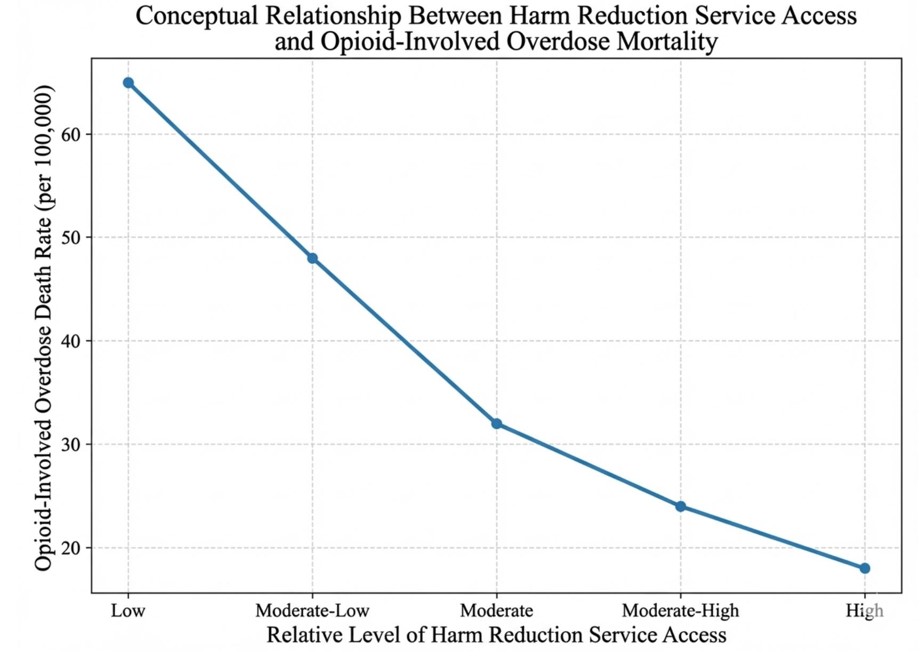
Figure 2 Theoretical Conceptual Framework: Proposed Pathways Between Community-Based Harm Reduction Program Implementation and Population-Level Opioid Overdose Mortality. This figure is a theoretical model constructed by the authors to summarise the proposed causal mechanisms, informed by the evidence synthesized in this review. It does not present empirical data, measurements, or quantitative estimates from any primary data source. Any axis labels represent qualitative directional constructs only and should not be interpreted as empirical scales or dose-response relationships. Readers seeking quantitative effect estimates are directed to the Results section and cited primary studies.
Implications for Public Health Practice and Policy
The following practice and policy implications are derived from the patterns identified in the synthesized evidence and represent the authors’ interpretation of what the available data most directly supports; where recommendations extend beyond what the evidence directly demonstrates, this is noted.
To bring this evidence to bear on lasting population-level change, a multi-level approach is required. Harm reduction should become a regular part of public health and substance use treatment, rather than a pilot program with a limited duration [84]. These involve the expansion of co-located service platforms, including syringe services, naloxone distribution, and low-barrier MOUD, and are supported by stable, long-term financing strategies, such as opioid settlement funds and Medicaid reimbursement [85].
Scaling is predominantly concerned with equity considerations. To reduce urban-rural disparities in access to services, it will be necessary to invest in flexible service delivery models, such as mobile units, mail-based naloxone and drug-checking services, and collaborations with rural pharmacies and community health facilities. They are being left behind without deliberate adjustment because of the high overdose mortality rates in communities that are rapidly increasing in number [86,87].
Finally, the evidence base must be actively leveraged to inform policy and public discourse. Clear communication of program effectiveness and community safety outcomes to policymakers, law enforcement, and the public is essential to counter stigma and misinformation that continue to limit political support for evidence-based interventions [88].
Promising Interventions and Directions for Scalability
Some of the intervention models have a high potential, especially on a broader scale. Integrated SSP-MOUD models can be used to manage overdose risk in the short term and underlying opioid use disorder by using the available infrastructure and enhancing care continuity. Despite regulatory and financing challenges, these models offer a high-impact avenue for integrating systems at the system level [89,90,91].
Peer-led naloxone distribution is another highly scalable intervention because it is low-cost, requires minimal infrastructure, and can reach individuals at highest risk through existing social networks. Conversely, although evidence of the effectiveness of overdose prevention centers is compelling, their expansion is constrained by legal and political hurdles, underscoring the importance of policy advocacy and public education [92,93].
Overall, community-based harm reduction programs demonstrate consistent associations with beneficial outcomes across the included evidence base. The main issue is no longer the development of efficacy but the bridging of the implementation gap. Subsequent activities in implementation science, sustainable funding solutions, and structural changes should focus on ensuring these life-saving interventions are fully embedded in available and equitable public health systems [94].
Limitations
This review has several methodological limitations that must be taken into account when interpreting its findings. To begin with, the search was also limited to English-language publications, potentially excluding evidence relevant to other non-English-speaking countries, especially in Latin America and Eastern and Southeast Asia, where community harm reduction programs are increasingly active. This language barrier can create a reporting bias, skewing the reporting toward the North American and European program contexts.
Second, the high heterogeneity in study designs, intervention types, target populations, and outcome measures across the 78 included studies prevented formal meta-analysis. Although the narrative synthesis method is suitable in this evidence base, it creates the risk of interpretive subjectivity. The results are to be interpreted as broad themes and directional clues rather than as accurate pooled effect estimates.
Several review-level threats to validity warrant explicit consideration. First, this synthesis includes both primary empirical studies and existing systematic and scoping reviews within a single evidence base. While this broadened coverage, it introduces the risk of double-counting evidence when the same primary studies are captured both directly and through included reviews. A formal overlap analysis was not conducted, which may cause the cumulative evidence base to appear larger or more consistent than it is in reality. Second, although the formal search was restricted to studies published through April 2023, several post-search sources (dated 2024 – 2026) were drawn upon in the Introduction, Discussion, and Recommendations for contextualization. The selective use of post-search literature – not subject to the same systematic identification process- may introduce a form of citation bias, and readers should note that claims drawing on these sources reflect contextual framing rather than synthesized findings. Third, the evidence base is heavily dominated by North American studies (52 U.S. and 15 Canadian studies, representing approximately 86% of the included studies), with limited representation from Europe and Australia, and no studies from low- or middle-income countries. This geographic concentration limits the generalisability of findings to settings with different structural, legal, and epidemiological contexts.
Additionally, this review’s central focus is on the opioid crisis; however, a portion of the included evidence, particularly in the infectious disease and SSP literature, derives from studies conducted in populations who inject drugs more broadly, rather than opioid-specific populations. For many infectious disease outcomes, this overlap is arguably appropriate given the shared risk behaviors involved. However, readers should note that the applicability of some findings to opioid-specific populations is assumed rather than directly demonstrated, and the conclusions in those domains should be interpreted with corresponding caution.
Third, the review includes program appraisals, grey literature, and peer-reviewed studies. Lack of methodological rigor: This is especially true of program evaluations that lack concurrent control groups, thereby limiting the strength of causal inferences. The majority of the included research is observational, and the selection bias in the SSP participants, as the most at-risk participants might be over-represented, might impact the external validity of the results.
Fourth, the search was conducted until April 2023. Harm reduction is a rapidly developing area, especially when speaking of overdose prevention centers, vending machines selling naloxone, and drug-checking services. This review does not reflect developments that have taken place after this date.
Lastly, the review was performed by two authors. Although independent double screening and consensus-based conflict resolution were used, the lack of a third independent arbiter is a weakness relative to the methodological ideal of systematic reviews. All findings should be understood in the context of these limitations, and future revisions of this review should aim to expand the author team and language coverage.
5 Recommendations and Future Directions
The obvious sign of the need is the urgent transition from proof of concept to a stable, available system of care. The way ahead is not only about investing in programs, but about creating a more sustainable public health infrastructure. This would involve developing long-term, consistent funding through planned opioid settlement provisions and Medicaid reform to avoid short-term, stuttering grants to programs and individuals, which leave them in a continual state of change [95,96,97].
Simultaneously, we should be keen to eliminate the legal and logistical impediments that prevent individuals from accessing the care they require. This is achieved through the deregulation of clinical practice to empower more providers and the reform of obsolete laws that criminalize health and safety instruments [98,99,100]. We also need to adopt and invest in flexible solutions, such as mobile units and mail-based services, to help close the geographic gaps in access, since no community should be left behind.
Lastly, these initiatives should be successful, and to achieve that, we need to gain widespread social and political legitimacy. This means there must be sustained communication about the demonstrated gains: these programs save lives without negatively affecting community security. More importantly, this legitimacy is created through the sincerity of collaboration and the payment of individuals with lived experience, so that their expertise informs the design and promotion of services intended to assist them [101,102,103].
Conclusion
The cumulative evidence, while heterogeneous in design and predominantly observational in nature, suggests with reasonable consistency that community-based harm reduction programs are associated with meaningful reductions in opioid overdose mortality, infectious disease transmission, and barriers to treatment engagement. These findings, considered alongside acknowledged methodological limitations – including the absence of formal meta-analysis, the inclusion of review-level and primary sources within a single synthesis, and the heavy North American concentration of the evidence base – support a cautious but favorable interpretation of harm reduction as an evidence-informed component of the public health response to the opioid crisis. Important uncertainties remain, particularly regarding the longitudinal effectiveness of newer interventions, generalisability across diverse settings, and the population-level impact of some program models beyond facility-level safety outcomes.
The central challenge is no longer the existence of evidence but the translation of that evidence into equitable, sustainable implementation. Achieving this will require consistent funding, regulatory reform, flexible service delivery models, and sustained investment in stigma reduction at the structural and community level. Future research should prioritize rigorous implementation science, longer follow-up for newer interventions, and studies from underrepresented geographic and socioeconomic contexts.
The available evidence provides a sound foundation for the continued development and integration of harm reduction into public health systems. Our collective response to the ongoing opioid crisis will be shaped by our capacity to implement these evidence-informed strategies with equity, fidelity, and sustained commitment.
Key finding
Key gaps remain in implementation science, longitudinal efficacy of newer interventions (OPCs, drug-checking), and stigma-reduction strategies. Policy implications include integrating harm reduction into mainstream health infrastructure via sustained funding, deregulation to expand providers, mobile/mail-based rural access, and public communication to build legitimacy. Across a heterogeneous evidence base, community-based harm reduction consistently associates with reduced overdose mortality and infectious disease burden. Translating this evidence into equitable, sustainable implementation remains the central challenge for public health policy and practice.
From the authors' abstract.
中文摘要
社区基础的减害项目在阿片类药物使用障碍中的有效性、实施障碍与政策启示的叙事系统综述
背景:本系统综述汇总了社区基础减害项目及其在应对阿片危机中的作用的证据。
方法:对2012年1月至2023年4月发表的78项研究进行叙事综合;由于干预措施、人群和结果的异质性,未进行荟萃分析。纳入的研究设计包括定量观察性研究、定性/混合方法研究、项目评估以及现有的系统/范围综述。考察的干预措施包括注射器服务项目(SSPs)、过量教育与纳洛酮分发(OEND)、过量预防中心(OPCs)、药物检测服务以及低门槛阿片类药物使用障碍(MOUD)药物治疗。结果指标包括过量死亡、传染病传播、治疗链接以及可行性/可接受性。
结果:OEND的扩大与县级和州级阿片过量死亡率下降相关。SSPs持续与 HIV 和 HCV 传播率下降相关。OPCs 在高量监督消费的情况下报告无现场致命过量。整合 SSP-MOUD 模型改善了 MOUD 的启动和保留,尽管关联强度因环境和设计而异。综合方法显示出有利的成本效益。持续的障碍包括惩罚性器具法、监管限制、污名化以及农村服务缺口。
结论:在实施科学、新型干预措施(OPCs、药物检测)的长期有效性以及污名减轻策略方面仍存在关键空白。政策启示包括通过持续资金、去监管以扩大服务提供者、移动/邮寄方式提升农村获取以及公共沟通以建立合法性,将减害纳入主流卫生基础设施。在异质的证据基础上,社区基础减害始终与过量死亡率和传染病负担下降相关。将这些证据转化为公平、可持续的实施仍是公共卫生政策与实践的核心挑战。
本中文摘要为机器辅助翻译,仅供参考;以英文摘要为准。 Machine-assisted Chinese translation of the English abstract; the English abstract is the version of record.
References
1. Volkow ND, Blanco C. The changing opioid crisis: development, challenges and opportunities. Mol Psychiatry. 2021: 218 [PMID: 32020048, https://doi.org/10.1038/s41380-020-0661-4]
2. Csete J. United States drug courts and opioid agonist therapy: Missing the target of overdose reduction. Forensic Sci Int Mind Law. 2020: 100024 [PMID: 34171038, https://doi.org/10.1016/j.fsiml.2020.100024]
3. Judd D, King CR, Galke C. The Opioid Epidemic: A Review of the Contributing Factors, Negative Consequences, and Best Practices. Cureus. 2023: e41621 [PMID: 37565101, https://doi.org/10.7759/cureus.41621]
4. Dowell D, Nataraj N, Rikard M, Park J, Zhang K, Baldwin G. Why have overdose deaths decreased? Widespread fentanyl saturation and decreased drug use among key drivers. Lancet Reg Health Am. 2025: 101226 [PMID: 41323547, https://doi.org/10.1016/j.lana.2025.101226]
5. Kline D, Hepler SA, Krawczyk N, Rivera-Aguirre A, Waller LA, Cerda M. A state-level history of opioid overdose deaths in the United States: 1999-2021. PLoS One. 2024: e0309938 [PMID: 39240938, https://doi.org/10.1371/journal.pone.0309938]
6. Abbasi K. Better health for vulnerable groups, better health for all. J R Soc Med. 2024: 327 [PMID: 39536268, https://doi.org/10.1177/01410768241299771]
7. Davis A, Lembo T, Laurie E, Mutua E, Loosli K, Nthambi M, Nimegeer A, Mnzava K, Msoka EF, Nasuwa F, Melubo M, Shirima G, Matthews L, Hilton S, Mshana SE, Mmbaga BT. How public health crises expose systemic, day-to-day health inequalities in low- and-middle income countries: an example from East Africa. Antimicrob Resist Infect Control. 2022: 34 [PMID: 35164886, https://doi.org/10.1186/s13756-022-01071-5]
8. Tran MTN, Luong QH. Community harm reduction initiatives: Essential investments for illicit drug prevention and control in the future. Lancet Reg Health West Pac. 2022: 100373 [PMID: 35024663, https://doi.org/10.1016/j.lanwpc.2021.100373]
9. Green TC, Dauria EF, Bratberg J, Davis CS, Walley AY. Orienting patients to greater opioid safety: models of community pharmacy-based naloxone. Harm Reduct J. 2015: 25 [PMID: 26245865, https://doi.org/10.1186/s12954-015-0058-x]
10. Wenger LD, Kral AH, Bluthenthal RN, Morris T, Ongais L, Lambdin BH. Ingenuity and resiliency of syringe service programs on the front lines of the opioid overdose and COVID-19 crises. Transl Res. 2021: 159 [PMID: 33746108, https://doi.org/10.1016/j.trsl.2021.03.011]
11. Adams JM. Making the Case for Syringe Services Programs. Public Health Rep. 2020: 10S [PMID: 32735192, https://doi.org/10.1177/0033354920936233]
12. Behrends CN, Des Jarlais DC, Luhur W, Lu X, Corry GJ, Glick SN, Kapadia SN, Perlman DC, Schackman BR. On-site health service delivery models at syringe services programs in the United States: Results of a national cross-sectional survey. Drug Alcohol Depend Rep. 2025: 100355 [PMID: 40687393, https://doi.org/10.1016/j.dadr.2025.100355]
13. Hanson BL, Porter RR, Zold AL, Terhorst-Miller H. Preventing opioid overdose with peer-administered naloxone: findings from a rural state. Harm Reduct J. 2020: 4 [PMID: 31918740, https://doi.org/10.1186/s12954-019-0352-0]
14. Smart R, Davis CS. Reducing Opioid Overdose Deaths by Expanding Naloxone Distribution and Addressing Structural Barriers to Care. Am J Public Health. 2021: 1382 [PMID: 34464185, https://doi.org/10.2105/AJPH.2021.306376]
15. Stevens A, Keemink JR, Shirley-Beavan S, Khadjesari Z, Artenie A, Vickerman P, Southwell M, Shorter GW. Overdose prevention centres as spaces of safety, trust and inclusion: A causal pathway based on a realist review. Drug Alcohol Rev. 2024: 1573 [PMID: 39104059, https://doi.org/10.1111/dar.13908]
16. Wares JR, Dong J, Gevertz JL, Radunskaya A, Viner K, Wiebe D, Solomon S. Predicting the impact of placing an overdose prevention site in Philadelphia: a mathematical modeling approach. Harm Reduct J. 2021: 110 [PMID: 34717657, https://doi.org/10.1186/s12954-021-00559-4]
17. Ljungholm L, Edin-Liljegren A, Ekstedt M, Klinga C. What is needed for continuity of care and how can we achieve it? - Perceptions among multiprofessionals on the chronic care trajectory. BMC Health Serv Res. 2022: 686 [PMID: 35606787, https://doi.org/10.1186/s12913-022-08023-0]
18. Childs E, Biello KB, Valente PK, Salhaney P, Biancarelli DL, Olson J, Earlywine JJ, Marshall BDL, Bazzi AR. Implementing harm reduction in non-urban communities affected by opioids and polysubstance use: A qualitative study exploring challenges and mitigating strategies. Int J Drug Policy. 2021: 103080 [PMID: 33340947, https://doi.org/10.1016/j.drugpo.2020.103080]
19. Khan GK, Harvey L, Johnson S, Long P, Kimmel S, Pierre C, Drainoni ML. Integration of a community-based harm reduction program into a safety net hospital: a qualitative study. Harm Reduct J. 2022: 35 [PMID: 35414072, https://doi.org/10.1186/s12954-022-00622-8]
20. Panagiotoglou D, Abrahamowicz M, Buckeridge DL, Caro JJ, Latimer E, Maheu-Giroux M, Strumpf EC. Evaluating Montreal's harm reduction interventions for people who inject drugs: protocol for observational study and cost-effectiveness analysis. BMJ Open. 2021: e053191 [PMID: 34702731, https://doi.org/10.1136/bmjopen-2021-053191]
21. Haegerich TM, Jones CM, Cote PO, Robinson A, Ross L. Evidence for state, community and systems-level prevention strategies to address the opioid crisis. Drug Alcohol Depend. 2019: 107563 [PMID: 31585357, https://doi.org/10.1016/j.drugalcdep.2019.107563]
22. Krieger MS, Goedel WC, Buxton JA, Lysyshyn M, Bernstein E, Sherman SG, Rich JD, Hadland SE, Green TC, Marshall BDL. Use of rapid fentanyl test strips among young adults who use drugs. Int J Drug Policy. 2018: 52 [PMID: 30344005, https://doi.org/10.1016/j.drugpo.2018.09.009]
23. Gronholm PC, Bakolis I, Cherian AV, Davies K, Evans-Lacko S, Girma E, Gurung D, Hanlon C, Hanna F, Henderson C, Kohrt BA, Lempp H, Li J, Loganathan S, Maulik PK, Ma N, Ouali U, Romeo R, Rusch N, Semrau M, Taylor Salisbury T, Votruba N, Wahid SS, Zhang W, Thornicroft G. Toward a multi-level strategy to reduce stigma in global mental health: overview protocol of the Indigo Partnership to develop and test interventions in low- and middle-income countries. Int J Ment Health Syst. 2023: 2 [PMID: 36732828, https://doi.org/10.1186/s13033-022-00564-5]
24. Knaak S, Mantler E, Szeto A. Mental illness-related stigma in healthcare: Barriers to access and care and evidence-based solutions. Healthc Manage Forum. 2017: 111 [PMID: 28929889, https://doi.org/10.1177/0840470416679413]
25. Waqas A, Malik S, Fida A, Abbas N, Mian N, Miryala S, Amray AN, Shah Z, Naveed S. Interventions to Reduce Stigma Related to Mental Illnesses in Educational Institutes: a Systematic Review. Psychiatr Q. 2020: 887 [PMID: 32372401, https://doi.org/10.1007/s11126-020-09751-4]
26. Ciccarone D. The rise of illicit fentanyls, stimulants and the fourth wave of the opioid overdose crisis. Curr Opin Psychiatry. 2021: 344 [PMID: 33965972, https://doi.org/10.1097/YCO.0000000000000717]
27. National Academies of Sciences, Engineering, and Medicine. Pain management and the opioid epidemic. Washington, DC: National Academies Press; 2017.
28. Abdul-Quader AS, Feelemyer J, Modi S, Stein ES, Briceno A, Semaan S, Horvath T, Kennedy GE, Des Jarlais DC. Effectiveness of structural-level needle/syringe programs to reduce HCV and HIV infection among people who inject drugs: a systematic review. AIDS Behav. 2013: 2878 [PMID: 23975473, https://doi.org/10.1007/s10461-013-0593-y]
29. Broz D, Carnes N, Chapin-Bardales J, Des Jarlais DC, Handanagic S, Jones CM, McClung RP, Asher AK. Syringe Services Programs' Role in Ending the HIV Epidemic in the U.S.: Why We Cannot Do It Without Them. Am J Prev Med. 2021: S118 [PMID: 34686281, https://doi.org/10.1016/j.amepre.2021.05.044]
30. Razaghizad A, Windle SB, Filion KB, Gore G, Kudrina I, Paraskevopoulos E, Kimmelman J, Martel MO, Eisenberg MJ. The Effect of Overdose Education and Naloxone Distribution: An Umbrella Review of Systematic Reviews. Am J Public Health. 2021: e1 [PMID: 34214412, https://doi.org/10.2105/AJPH.2021.306306]
31. Hood JE, Banta-Green CJ, Duchin JS, Breuner J, Dell W, Finegood B, Glick SN, Hamblin M, Holcomb S, Mosse D, Oliphant-Wells T, Shim MM. Engaging an unstably housed population with low-barrier buprenorphine treatment at a syringe services program: Lessons learned from Seattle, Washington. Subst Abus. 2020: 356 [PMID: 31403907, https://doi.org/10.1080/08897077.2019.1635557]
32. Adams JW, Savinkina A, Fox A, Behrends CN, Madushani R, Wang J, Chatterjee A, Walley AY, Barocas JA, Linas BP. Modeling the cost-effectiveness and impact on fatal overdose and initiation of buprenorphine-naloxone treatment at syringe service programs. Addiction. 2022: 2635 [PMID: 35315148, https://doi.org/10.1111/add.15883]
33. Lambdin BH, Kan D, Kral AH. Improving equity and access to buprenorphine treatment through telemedicine at syringe services programs. Subst Abuse Treat Prev Policy. 2022: 51 [PMID: 35841036, https://doi.org/10.1186/s13011-022-00483-1]
34. Krawczyk N, Rivera BD, Jent V, Keyes KM, Jones CM, Cerda M. Has the treatment gap for opioid use disorder narrowed in the U.S.?: A yearly assessment from 2010 to 2019". Int J Drug Policy. 2022: 103786 [PMID: 35934583, https://doi.org/10.1016/j.drugpo.2022.103786]
35. Jakubowski A, Fowler S, Fox AD. Three decades of research in substance use disorder treatment for syringe services program participants: a scoping review of the literature. Addict Sci Clin Pract. 2023: 40 [PMID: 37301953, https://doi.org/10.1186/s13722-023-00394-x]
36. Mackey KM. Effectiveness of Syringe Services Programs: A Systematic Review. Washington (DC)2023.
37. Kapadia SN, Griffin JL, Waldman J, Ziebarth NR, Schackman BR, Behrends CN. A Harm Reduction Approach to Treating Opioid Use Disorder in an Independent Primary Care Practice: a Qualitative Study. J Gen Intern Med. 2021: 1898 [PMID: 33469774, https://doi.org/10.1007/s11606-020-06409-6]
38. Lambdin BH, Bluthenthal RN, Wenger LD, Wheeler E, Garner B, Lakosky P, Kral AH. Overdose Education and Naloxone Distribution Within Syringe Service Programs - United States, 2019. MMWR Morb Mortal Wkly Rep. 2020: 1117 [PMID: 32817603, https://doi.org/10.15585/mmwr.mm6933a2]
39. Kimmel SD, Gaeta JM, Hadland SE, Hallett E, Marshall BDL. Principles of Harm Reduction for Young People Who Use Drugs. Pediatrics. 2021: S240 [PMID: 33386326, https://doi.org/10.1542/peds.2020-023523G]
40. Alvand S, Amin-Esmaeili M, Poustchi H, Roshandel G, Sadeghi Y, Sharifi V, Kamangar F, Dawsey SM, Freedman ND, Abnet CC, Rahimi-Movaghar A, Malekzadeh R, Etemadi A. Prevalence and determinants of opioid use disorder among long-term opiate users in Golestan Cohort Study. BMC Psychiatry. 2023: 958 [PMID: 38129791, https://doi.org/10.1186/s12888-023-05436-x]
41. Lee YK, Gold MS, Blum K, Thanos PK, Hanna C, Fuehrlein BS. Opioid use disorder: current trends and potential treatments. Front Public Health. 2023: 1274719 [PMID: 38332941, https://doi.org/10.3389/fpubh.2023.1274719]
42. Larochelle MR, Bernson D, Land T, Stopka TJ, Wang N, Xuan Z, Bagley SM, Liebschutz JM, Walley AY. Medication for Opioid Use Disorder After Nonfatal Opioid Overdose and Association With Mortality: A Cohort Study. Ann Intern Med. 2018: 137 [PMID: 29913516, https://doi.org/10.7326/M17-3107]
43. Lowenstein M, Abrams MP, Crowe M, Shimamoto K, Mazzella S, Botcheos D, Bertocchi J, Westfahl S, Chertok J, Garcia KP, Truchil R, Holliday-Davis M, Aronowitz S. "Come try it out. Get your foot in the door:" Exploring patient perspectives on low-barrier treatment for opioid use disorder. Drug Alcohol Depend. 2023: 109915 [PMID: 37207615, https://doi.org/10.1016/j.drugalcdep.2023.109915]
44. Wenger LD, Doe-Simkins M, Wheeler E, Ongais L, Morris T, Bluthenthal RN, Kral AH, Lambdin BH. Best practices for community-based overdose education and naloxone distribution programs: results from using the Delphi approach. Harm Reduct J. 2022: 55 [PMID: 35643444, https://doi.org/10.1186/s12954-022-00639-z]
45. Ostlund U, Kidd L, Wengstrom Y, Rowa-Dewar N. Combining qualitative and quantitative research within mixed method research designs: a methodological review. Int J Nurs Stud. 2011: 369 [PMID: 21084086, https://doi.org/10.1016/j.ijnurstu.2010.10.005]
46. Hartling L, Milne A, Hamm MP, Vandermeer B, Ansari M, Tsertsvadze A, Dryden DM. Testing the Newcastle Ottawa Scale showed low reliability between individual reviewers. J Clin Epidemiol. 2013: 982 [PMID: 23683848, https://doi.org/10.1016/j.jclinepi.2013.03.003]
47. Lo CK, Mertz D, Loeb M. Newcastle-Ottawa Scale: comparing reviewers' to authors' assessments. BMC Med Res Methodol. 2014: 45 [PMID: 24690082, https://doi.org/10.1186/1471-2288-14-45]
48. Long HA, French DP, Brooks JM. Optimising the value of the critical appraisal skills programme (CASP) tool for quality appraisal in qualitative evidence synthesis. Research Methods in Medicine & Health Sciences. 2020: 31 [https://doi.org/10.1177/2632084320947559]
49. Kahale LA, Elkhoury R, El Mikati I, Pardo-Hernandez H, Khamis AM, Schunemann HJ, Haddaway NR, Akl EA. Tailored PRISMA 2020 flow diagrams for living systematic reviews: a methodological survey and a proposal. F1000Res. 2021: 192 [PMID: 35136567, https://doi.org/10.12688/f1000research.51723.3]
50. Page MJ, McKenzie JE, Bossuyt PM, Boutron I, Hoffmann TC, Mulrow CD, Shamseer L, Tetzlaff JM, Akl EA, Brennan SE, Chou R, Glanville J, Grimshaw JM, Hrobjartsson A, Lalu MM, Li T, Loder EW, Mayo-Wilson E, McDonald S, McGuinness LA, Stewart LA, Thomas J, Tricco AC, Welch VA, Whiting P, Moher D. The PRISMA 2020 statement: an updated guideline for reporting systematic reviews. Syst Rev. 2021: 89 [PMID: 33781348, https://doi.org/10.1186/s13643-021-01626-4]
51. Roux P, Jauffret-Roustide M, Donadille C, Briand Madrid L, Denis C, Celerier I, Chauvin C, Hamelin N, Maradan G, Carrieri MP, Protopopescu C, Lalanne L, Auriacombe M, Group CS. Impact of drug consumption rooms on non-fatal overdoses, abscesses and emergency department visits in people who inject drugs in France: results from the COSINUS cohort. Int J Epidemiol. 2023: 562 [PMID: 35690956, https://doi.org/10.1093/ije/dyac120]
52. Vadiei N, Axon DR, Eckert B. Naloxone Distribution Models in the United States: A Scoping Review. Subst Use Addctn J. 2025: 391 [PMID: 39449273, https://doi.org/10.1177/29767342241289008]
53. World Health Organization. Consolidated guidelines on HIV, viral hepatitis and STI prevention, diagnosis, treatment and care for key populations. Geneva2022.
54. Kutscher E, Barber Grossi M, LaPolla F, Lee JD. Fentanyl Test Strips for Harm Reduction: A Scoping Review. J Addict Med. 2024: 373 [PMID: 38829042, https://doi.org/10.1097/ADM.0000000000001321]
55. Mezaache S, Turlure F, Fredon N, Le Brun Gadelius M, Micallef J, Frauger E. [Opioid overdose prevention and naloxone diffusion (POP program): Results of an overview conducted among addiction specialized centres]. Therapie. 2023: 605 [PMID: 37012152, https://doi.org/10.1016/j.therap.2023.03.008]
56. van Draanen J, Hamilton J, Morgan J, Maxwell S, Taylor T, Richardson L, Nolan S. Supervised smoking facility access, harm reduction practices, and substance use changes during the COVID-19 pandemic: a community-engaged cross-sectional study. Harm Reduct J. 2023: 101 [PMID: 37525168, https://doi.org/10.1186/s12954-023-00825-7]
57. Chatterjee A, Weitz M, Savinkina A, Macmadu A, Madushani R, Potee RA, Ryan D, Murphy SM, Walley AY, Linas BP. Estimated Costs and Outcomes Associated With Use and Nonuse of Medications for Opioid Use Disorder During Incarceration and at Release in Massachusetts. JAMA Netw Open. 2023: e237036 [PMID: 37058306, https://doi.org/10.1001/jamanetworkopen.2023.7036]
58. Ivsins A, MacKinnon L, Bowles JM, Slaunwhite A, Bardwell G. Overdose Prevention and Housing: a Qualitative Study Examining Drug Use, Overdose Risk, and Access to Safer Supply in Permanent Supportive Housing in Vancouver, Canada. J Urban Health. 2022: 855 [PMID: 36044156, https://doi.org/10.1007/s11524-022-00679-7]
59. Banta-Green CJ, Owens MD, Williams JR, Floyd AS, Williams-Gilbert W, Kingston S. Community-Based Medications First for Opioid Use Disorder - Care Utilization and Mortality Outcomes. Subst Abuse Rehabil. 2024: 173 [PMID: 39295965, https://doi.org/10.2147/SAR.S475807]
60. Bohler RM, Freeman PR, Villani J, Hunt T, Linas BS, Walley AY, Green TC, Lofwall MR, Bridden C, Frazier LA, Fanucchi LC, Talbert JC, Chandler R. The policy landscape for naloxone distribution in four states highly impacted by fatal opioid overdoses. Drug Alcohol Depend Rep. 2023: [PMID: 36643788, https://doi.org/10.1016/j.dadr.2022.100126]
61. Osilla KC, Meredith LS, Griffin BA, Martineau M, Hindmarch G, Watkins KE. Design of CLARO+ (Collaboration Leading to Addiction Treatment and Recovery from Other Stresses, Plus): A randomized trial of collaborative care to decrease overdose and suicide risk among patients with co-occurring disorders. Contemp Clin Trials. 2023: 107294 [PMID: 37454728, https://doi.org/10.1016/j.cct.2023.107294]
62. Fernandez-Vina MH, Prood NE, Herpolsheimer A, Waimberg J, Burris S. State Laws Governing Syringe Services Programs and Participant Syringe Possession, 2014-2019. Public Health Rep. 2020: 128S [PMID: 32735195, https://doi.org/10.1177/0033354920921817]
63. Goedel WC, King MRF, Lurie MN, Galea S, Townsend JP, Galvani AP, Friedman SR, Marshall BDL. Implementation of Syringe Services Programs to Prevent Rapid Human Immunodeficiency Virus Transmission in Rural Counties in the United States: A Modeling Study. Clin Infect Dis. 2020: 1096 [PMID: 31143944, https://doi.org/10.1093/cid/ciz321]
64. Jakubowski A, Norton BL, Hayes BT, Gibson BE, Fitzsimmons C, Stern LS, Ramirez F, Guzman M, Spratt S, Marcus P, Fox AD. Low-threshold Buprenorphine Treatment in a Syringe Services Program: Program Description and Outcomes. J Addict Med. 2022: 447 [PMID: 34775441, https://doi.org/10.1097/ADM.0000000000000934]
65. Forchuk C, Serrato J, Scott L. Identifying barriers and facilitators for implementing harm reduction strategies for methamphetamine use into hospital settings. Front Health Serv. 2023: 1113891 [PMID: 36926504, https://doi.org/10.3389/frhs.2023.1113891]
66. Lindenfeld Z, Hagan H, Chang JE. Exploring Barriers and Facilitators to Integrating a Harm Reduction Approach to Substance Use in Three Medical Settings. J Gen Intern Med. 2023: 3273 [PMID: 37227658, https://doi.org/10.1007/s11606-023-08231-2]
67. Ashworth M, Thunstrom L, Clancy GL, Thompson RA, Johnson D, Fletcher E. Addressing rural and non-rural substance use disorder stigma: Evidence from a national randomized controlled trial. Addict Behav Rep. 2024: 100541 [PMID: 38550604, https://doi.org/10.1016/j.abrep.2024.100541]
68. Davis CS, Carr DH, Samuels EA. Paraphernalia Laws, Criminalizing Possession and Distribution of Items Used to Consume Illicit Drugs, and Injection-Related Harm. Am J Public Health. 2019: 1564 [PMID: 31536408, https://doi.org/10.2105/AJPH.2019.305268]
69. Ezell JM, Ompad DC, Walters S. How urban and rural built environments influence the health attitudes and behaviors of people who use drugs. Health Place. 2021: 102578 [PMID: 33964805, https://doi.org/10.1016/j.healthplace.2021.102578]
70. Rosen JG, Thompson E, Tardif J, Collins AB, Marshall BDL, Park JN. "Make yourself un-NIMBY-able": stakeholder perspectives on strategies to mobilize public and political support for overdose prevention centers in the United States of America. Harm Reduct J. 2024: 40 [PMID: 38355641, https://doi.org/10.1186/s12954-024-00955-6]
71. Rouhani S, Schneider KE, Weicker N, Whaley S, Morris M, Sherman SG. NIMBYism and Harm Reduction Programs: Results from Baltimore City. J Urban Health. 2022: 717 [PMID: 35641715, https://doi.org/10.1007/s11524-022-00641-7]
72. Tempalski B, Friedman R, Keem M, Cooper H, Friedman SR. NIMBY localism and national inequitable exclusion alliances: The case of syringe exchange programs in the United States. Geoforum. 2007: 1250 [PMID: 18978931, https://doi.org/10.1016/j.geoforum.2007.03.012]
73. Andrilla CHA, Moore TE, Patterson DG, Larson EH. Geographic Distribution of Providers With a DEA Waiver to Prescribe Buprenorphine for the Treatment of Opioid Use Disorder: A 5-Year Update. J Rural Health. 2019: 108 [PMID: 29923637, https://doi.org/10.1111/jrh.12307]
74. Kolak MA, Chen YT, Joyce S, Ellis K, Defever K, McLuckie C, Friedman S, Pho MT. Rural risk environments, opioid-related overdose, and infectious diseases: A multidimensional, spatial perspective. Int J Drug Policy. 2020: 102727 [PMID: 32513621, https://doi.org/10.1016/j.drugpo.2020.102727]
75. Paquette CE, Syvertsen JL, Pollini RA. Stigma at every turn: Health services experiences among people who inject drugs. Int J Drug Policy. 2018: 104 [PMID: 29715589, https://doi.org/10.1016/j.drugpo.2018.04.004]
76. Remien RH, Bauman LJ, Mantell JE, Tsoi B, Lopez-Rios J, Chhabra R, DiCarlo A, Watnick D, Rivera A, Teitelman N, Cutler B, Warne P. Barriers and facilitators to engagement of vulnerable populations in HIV primary care in New York City. J Acquir Immune Defic Syndr. 2015: S16 [PMID: 25867774, https://doi.org/10.1097/QAI.0000000000000577]
77. Leslie K, Canadian Paediatric Society, Adolescent Health Committee. Harm reduction: An approach to reducing risky health behaviours in adolescents. Paediatr Child Health. 2008: 53 [PMID: 19119355, https://doi.org/10.1093/pch/13.1.53]
78. Substance Abuse and Mental Health Services Administration. Medications for opioid use disorder: Treatment Improvement Protocol (TIP) 63. Rockville, MD2021.
79. Englander H, Dobbertin K, Lind BK, Nicolaidis C, Graven P, Dorfman C, Korthuis PT. Inpatient Addiction Medicine Consultation and Post-Hospital Substance Use Disorder Treatment Engagement: a Propensity-Matched Analysis. J Gen Intern Med. 2019: 2796 [PMID: 31410816, https://doi.org/10.1007/s11606-019-05251-9]
80. Kerr T, Mitra S, Kennedy MC, McNeil R. Supervised injection facilities in Canada: past, present, and future. Harm Reduct J. 2017: 28 [PMID: 28521829, https://doi.org/10.1186/s12954-017-0154-1]
81. Patel K. The Importance of Data-Driven Decision-Making in Public Health. International Journal of Computer Trends and Technology. 2024: 27 [https://doi.org/10.14445/22312803/ijctt-v72i5p103]
82. Salmon AM, van Beek I, Amin J, Kaldor J, Maher L. The impact of a supervised injecting facility on ambulance call-outs in Sydney, Australia. Addiction. 2010: 676 [PMID: 20148794, https://doi.org/10.1111/j.1360-0443.2009.02837.x]
83. Steinwachs DM. Transforming public health systems: using data to drive organizational capacity for quality improvement and efficiency. EGEMS (Wash DC). 2014: 1175 [PMID: 25995990, https://doi.org/10.13063/2327-9214.1175]
84. Emerson B, Haden M. Public Health and the Harm Reduction Approach to Illegal Psychoactive Substances ☆. Reference Module in Biomedical Sciences2018.
85. Tsai AC, Kiang MV, Barnett ML, Beletsky L, Keyes KM, McGinty EE, Smith LR, Strathdee SA, Wakeman SE, Venkataramani AS. Stigma as a fundamental hindrance to the United States opioid overdose crisis response. PLoS Med. 2019: e1002969 [PMID: 31770387, https://doi.org/10.1371/journal.pmed.1002969]
86. Lee JH, Wheeler DC, Zimmerman EB, Hines AL, Chapman DA. Urban-Rural Disparities in Deaths of Despair: A County-Level Analysis 2004-2016 in the U.S. Am J Prev Med. 2023: 149 [PMID: 38584644, https://doi.org/10.1016/j.amepre.2022.08.022]
87. Raver E, Retchin SM, Li Y, Carlo AD, Xu WY. Rural-urban differences in out-of-network treatment initiation and engagement rates for substance use disorders. Health Serv Res. 2024: e14299 [PMID: 38456488, https://doi.org/10.1111/1475-6773.14299]
88. McGinty E, Pescosolido B, Kennedy-Hendricks A, Barry CL. Communication Strategies to Counter Stigma and Improve Mental Illness and Substance Use Disorder Policy. Psychiatr Serv. 2018: 136 [PMID: 28967320, https://doi.org/10.1176/appi.ps.201700076]
89. Korthuis PT, McCarty D, Weimer M, Bougatsos C, Blazina I, Zakher B, Grusing S, Devine B, Chou R. Primary Care-Based Models for the Treatment of Opioid Use Disorder: A Scoping Review. Ann Intern Med. 2017: 268 [PMID: 27919103, https://doi.org/10.7326/M16-2149]
90. Rich KM, Bia J, Altice FL, Feinberg J. Integrated Models of Care for Individuals with Opioid Use Disorder: How Do We Prevent HIV and HCV? Curr HIV/AIDS Rep. 2018: 266 [PMID: 29774442, https://doi.org/10.1007/s11904-018-0396-x]
91. Tseregounis IE, Henry SG. Assessing opioid overdose risk: a review of clinical prediction models utilizing patient-level data. Transl Res. 2021: 74 [PMID: 33762186, https://doi.org/10.1016/j.trsl.2021.03.012]
92. Kerr T, Small W, Wood E. The public health and social impacts of drug market enforcement: A review of the evidence. International Journal of Drug Policy. 2005: 210 [https://doi.org/10.1016/j.drugpo.2005.04.005]
93. Socia KM, Stone R, Palacios WR, Cluverius J. Focus on prevention: The public is more supportive of “overdose prevention sites” than they are of “safe injection facilities”. Criminology & Public Policy. 2021: 729 [https://doi.org/10.1111/1745-9133.12566]
94. Holder P. [https://doi.org/10.1377/hlthaff.2019.00580]
95. Benjamin GC. The Future of Public Health: Ensuring An Adequate Infrastructure. Milbank Q. 2023: 637 [PMID: 37096604, https://doi.org/10.1111/1468-0009.12637]
96. DeSalvo K, Parekh A, Hoagland GW, Dilley A, Kaiman S, Hines M, Levi J. Developing a Financing System to Support Public Health Infrastructure. Am J Public Health. 2019: 1358 [PMID: 31415208, https://doi.org/10.2105/AJPH.2019.305214]
97. Frieden TR, Lee CT, Lamorde M, Nielsen M, McClelland A, Tangcharoensathien V. The road to achieving epidemic-ready primary health care. Lancet Public Health. 2023: e383 [PMID: 37120262, https://doi.org/10.1016/S2468-2667(23)00060-9]
98. Allen EM, Call KT, Beebe TJ, McAlpine DD, Johnson PJ. Barriers to Care and Health Care Utilization Among the Publicly Insured. Med Care. 2017: 207 [PMID: 27579910, https://doi.org/10.1097/MLR.0000000000000644]
99. Mohsin K, Mula-Hussain L, Gilson R. HealthCare Access Barrier (HCAB) framework for the barriers to cancer care during conflicts: perspective from Iraq. BMJ Oncol. 2024: e000252 [PMID: 39886185, https://doi.org/10.1136/bmjonc-2023-000252]
100. Wakeman SE, Larochelle MR, Ameli O, Chaisson CE, McPheeters JT, Crown WH, Azocar F, Sanghavi DM. Comparative Effectiveness of Different Treatment Pathways for Opioid Use Disorder. JAMA Netw Open. 2020: e1920622 [PMID: 32022884, https://doi.org/10.1001/jamanetworkopen.2019.20622]
101. Fu JS, Wang R. Multiple pathways to organizational legitimacy: Information visibility, organizational listening, and cross-sector partnerships. Public Relations Review. 2024: [https://doi.org/10.1016/j.pubrev.2024.102484]
102. Olayinka F, Sauer M, Menning L, Summers D, Wonodi C, Mackay S, MacDonald NE, Peter Figueroa J, Andriamitantsoa B, Bonsu G, Haldar P, Lindstrand A, Shimp L, Ia Strategic Priority 2 Commitment DWG. Building and sustaining public and political commitment to the value of vaccination: Recommendations for the Immunization Agenda 2030 (Strategic Priority Area 2). Vaccine. 2024: S43 [PMID: 36528448, https://doi.org/10.1016/j.vaccine.2022.11.038]
103. Taylor S. Political epidemiology: strengthening socio-political analysis for mass immunisation - lessons from the smallpox and polio programmes. Glob Public Health. 2009: 546 [PMID: 19367477, https://doi.org/10.1080/17441690701727850]
Data Availability Statement
All literature and data analyzed during this review were sourced from publicly available databases, specifically PubMed, Scopus, and Web of Science. Additional information was extracted from publicly accessible clinical trial data and World Health Organization (WHO) reports.
License
Copyright (c) 2026 Eloghosa Aisosaa Nosa-Ihaza, Allan Francis Ssembuusi

This work is licensed under a Creative Commons Attribution 4.0 International License.
Copyright and Licensing
All articles published in ASIDE Internal Medicine are open access and freely available online immediately upon publication, without embargo.
This journal applies the terms of the Creative Commons Attribution 4.0 International License (CC BY 4.0). Under this license, anyone may copy, redistribute, remix, transform, and build upon the material for any purpose, even commercially, provided that proper credit is given to the original author(s), a link to the license is provided, and any changes made are indicated.
-
License link: https://creativecommons.org/licenses/by/4.0/
-
Machine-readable license metadata is embedded in each article and its DOI record.
Copyright Holder
Copyright in all articles remains with the author(s). ASIDE Internal Medicine is published and owned by the American Society for Inclusion, Diversity, and Equity in Healthcare (ASIDE). By submitting a manuscript, authors agree to grant the publisher a non-exclusive license to publish, distribute, and archive the work under the terms of the CC BY 4.0 license.
Third-party Material
Any material (e.g., images, figures, or tables) not covered by CC BY 4.0 will be clearly indicated in the article. Users must obtain permission directly from the copyright holder for reuse of such third-party material.
Author Rights and Self-Archiving
Authors are permitted to deposit all versions of their work (preprint, author’s accepted manuscript, and version of record) in institutional or subject repositories of their choice immediately upon publication, without embargo, provided that the DOI and license information are included.

Published
Issue
Section
Categories
How to Cite
Article history
- Received
- 7 Apr 2026
- Received in revised form
- 11 May 2026
- Accepted
- 5 Jun 2026
- Published
- 11 Jul 2026