National Trends in Pancreatic Cancer-Related Mortality: A Population-Based Analysis of Rural–Urban Disparities and the Distribution of Place of Death
DOI:
https://doi.org/10.71079/ASIDE.Onc.082326663Abstract
Background: Pancreatic Cancer is the sixth deadliest cancer across the world, and its incidence has more than doubled in recent decades. The literature lacks comprehensive evidence on rural-urban and place-of-death mortality trends over the last two decades. This retrospective analysis summarizes the mortality trends for deaths involving pancreatic cancer patients from 1999 to 2023, with urban and rural stratification to better direct interventional strategies.
Methods: Data from death certificates were extracted using the CDC WONDER database's multiple cause-of-death model, using ICD-10 codes C25.0 to C25.4 and C25.7 to C25.9 for adults aged 25+ years from 1999 to 2023. The urbanization data were extracted from 1999 to 2020. Urbanization regions were organized, and age-adjusted mortality rates (AAMRs) were calculated per 100,000 population. Joinpoint software was used for evaluating trends.
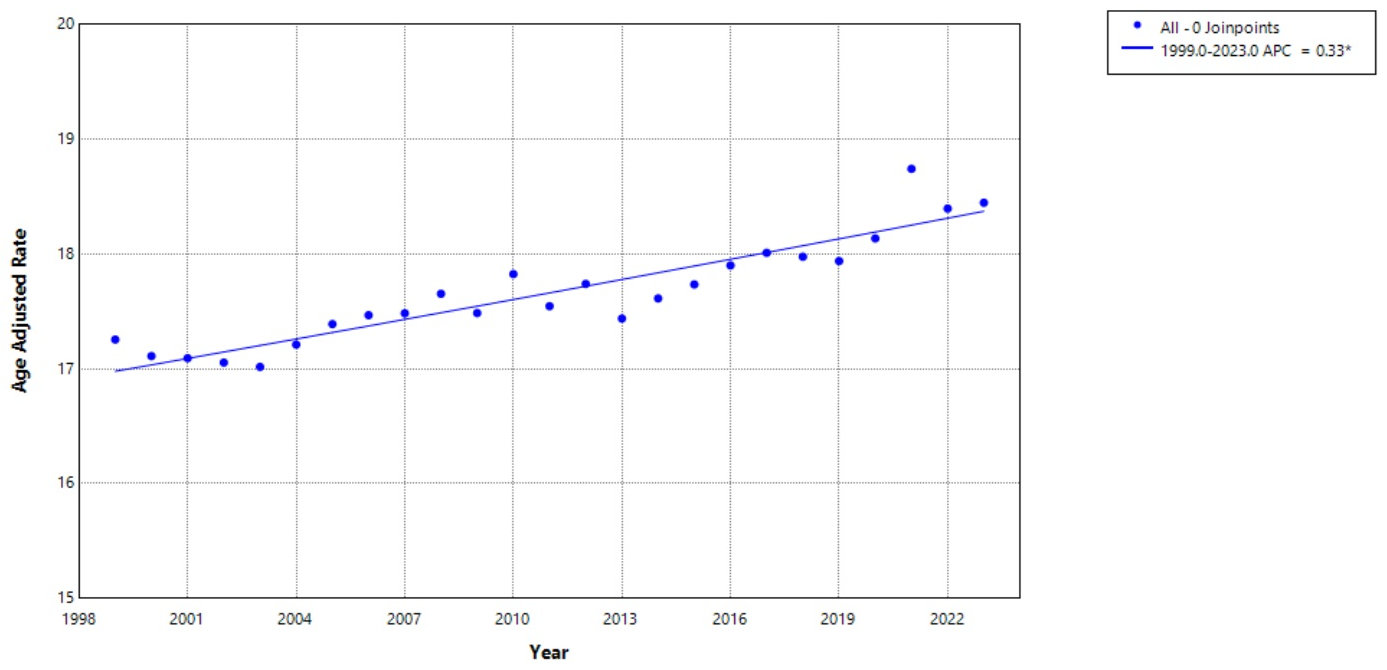
Results: A total of 1,002,439 deaths from pancreatic cancer occurred from 1999 to 2023, with an overall increase in AAMR from 17.254 in 1999 to 18.446 in 2023 (AAPC: 0.3293%). The death rate in rural areas, though declining initially (APC: -0.2572%), has increased persistently since 2003 (APC: 0.773%), surpassing the urban death rate from 2010 onwards. The rise in urban fatality rates was less steep (AAPC: 0.20%). Place of death was analyzed as a cross-period distribution, with the majority of deaths occurring in the decedent’s home (48.3%), followed by medical facilities (25.19%) and nursing homes (11.26%).
Conclusion: A consistent rise in pancreatic cancer-related mortality with an increasing trend for rural areas emphasizes the discrepancy and the possible need for targeted interventions.
Keywords:
Pancreatic cancer, Mortality trends, Rural–urban disparities, Place of death, Cancer epidemiology, United StatesFull Text
Introduction
Pancreatic cancer is a formidable challenge in global oncology, currently ranking as the third leading cause of cancer-related mortality in the United States and the sixth deadliest worldwide [1,2]. Characterized by an aggressive clinical course and a frequent lack of early symptoms, it has seen its global incidence more than double in recent decades [3]. Despite significant advancements in genomic profiling and surgical precision, the five-year survival rate is low at approximately 13% [4]. Between 1999 and 2023, the U.S. recorded more than one million deaths from pancreatic cancer alone, with the overall age-adjusted mortality rate (AAMR) rising from 17.25 to 18.45 per 100,000 population [5].
While historical epidemiological data focused on urban lifestyle factors, a significant geographic shift has emerged that warrants investigation. Urban mortality rates have risen modestly (Average Annual Percentage Change: 0.20%), whereas rural mortality has increased persistently since 2003 at a significantly steeper rate (APC: 0.773%), ultimately surpassing urban rates in 2010 [6,7]. This trend highlights a widening "geographic divide" in survival outcomes that challenges existing public health frameworks [8].
The primary goal of this study is to determine deaths involving pancreatic cancer in urban and rural America. While recent studies have documented general shifts in pancreatic cancer outcomes, this research expands the longitudinal analysis through 2023. It incorporates place-of-death summaries to provide a granular analysis of end-of-care transitions.
Methods
Study Design
We conducted a retrospective analysis using death certificate data retrieved from the Centers for Disease Control and Prevention Wide-Ranging Online Data for Epidemiologic Research (CDC WONDER) database between 1999 and 2023 to assess rural-urban disparities in pancreatic cancer – related mortality among adults aged 25 and older in the U.S. Individuals younger than 25 years were excluded. The primary analysis was restricted to individuals aged ≥25 years to focus on the population in which pancreatic cancer mortality is most prevalent.
By focusing on this age group, we ensured the dataset’s statistical completeness for our comprehensive analyses of pancreatic cancer – related mortality trends. This age cutoff has been used to define adults in similar studies [9]. The International Statistical Classification of Diseases and Related Health Problems, 10th Revision (ICD-10) was used: C25.0-C25.4 and C25.7-C25.9 for pancreatic cancer. Deaths were included if pancreatic cancer was listed anywhere on the death certificate, either as the underlying cause of death or as one of the contributing causes of death. This comprehensive approach ensures the capture of all deaths where pancreatic cancer played a documented role, regardless of its position on the death certificate. Institutional review board approval was not required for this study, as it used de-identified public-use data provided by the government and adhered to the STROBE (Strengthening the Reporting of Observational Studies in Epidemiology) guidelines for reporting [10].
Data Abstraction
Data for population size and urbanization were extracted. Place of death was categorized into medical facilities, hospice, home, and nursing home/long-term care facilities. The National Center for Health Statistics (NCHS) Urban-Rural Classification Scheme was used to assess the population by urban counties per the 2013 U.S. census classification [11]. The six NCHS categories (large central metro, large fringe metro, medium metro, small metro, micropolitan, and noncore) collapsed into two groups: metropolitan (large central metro, large fringe metro, medium metro, and small metro) and non-metropolitan (micropolitan and noncore). This classification was applied consistently across all analyses. It is important to note that urban-rural data were consistently available and analyzed only for the period 1999 – 2020 due to historical limitations in CDC WONDER stratifications.
Statistical Analysis
Age-adjusted mortality rates (AAMRs) per 100,000 population from 1999–2023, by year and urban-rural status from 1999–2020, with 95% CIs, were calculated using the 2000 U.S. population as the standard [12]. For the place of death, data were available only as aggregated counts and proportions over the selected study period, and do not consistently support reliable year-by-year or time-trend analyses. CMRs were determined by dividing the number of pancreatic cancer – related mortalities among adults by the corresponding U.S. population for that year. They were used as an intermediate step in calculating AAMRs via direct age standardization. The Joinpoint Regression Program (Joinpoint V 5.4.0.0, National Cancer Institute) was used to determine the average annual percent change (AAPC) and the annual percent change (APC). Joinpoint regression, a segmented regression technique, was used to identify points of trend change (join points) by fitting log-linear models and using permutation tests to select the optimal number of join points, with a maximum of three join points allowed in our analysis to ensure model fit [13]. Once the final model was selected, two-tailed t-tests were conducted to assess whether the APC for each segment differed significantly. APCs were considered increasing or decreasing if the slope describing the change in mortality was significantly different from zero. This method allows the identification of significant changes in AAMR over time by fitting log-linear regression models in which temporal variation differs from zero. The value of p< 0.05 was considered statistically significant.
Results
Overall Mortality Trends
Between 1999 and 2023, there were 1,002,439 deaths involving pancreatic cancer in the United States. Over this period, the AAMR increased significantly from 17.25 (95% CI: 17.06 – 17.45) in 1999 to 18.45 (95% CI: 18.29 – 18.61) in 2023, corresponding to an overall AAPC of 0.33 (95% CI: 0.27 to 0.39; p < 0.01). Joinpoint analysis of the overall national trend identified no significant inflection points (Supplemental Tables 1 and 2) Figure 1.
Distribution of Place of Death
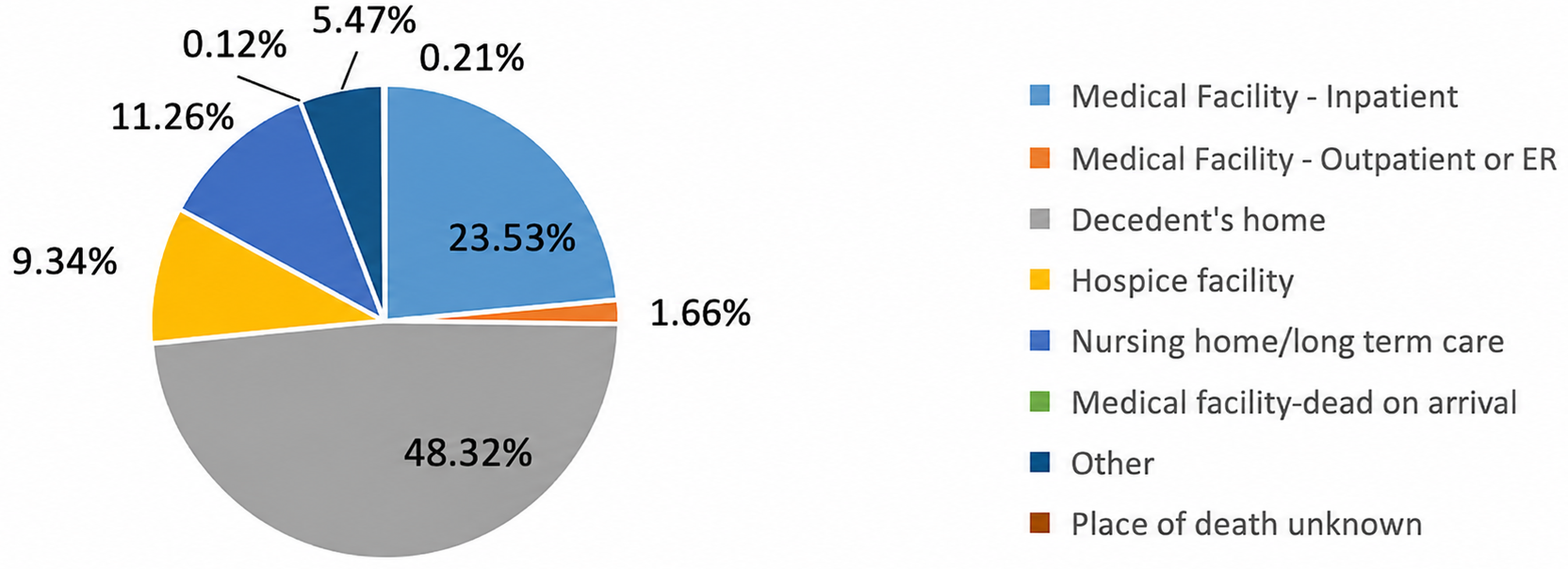
Place-of-death information was available for all 1,002,439 decedents. Nearly half of all deaths occurred at the individual’s residence (48.3%), making it the most common location of death, followed by medical facilities, including inpatient and outpatient settings (25.19%), nursing homes or long-term care facilities (11.26%), and hospice facilities (9.34%). Deaths occurring in other settings accounted for 5.47% of cases, while 0.22% occurred in unspecified locations and 0.12% were declared dead on arrival (Supplemental Tables 1 and 3) Figure 2.
Mortality Trends by Urbanization
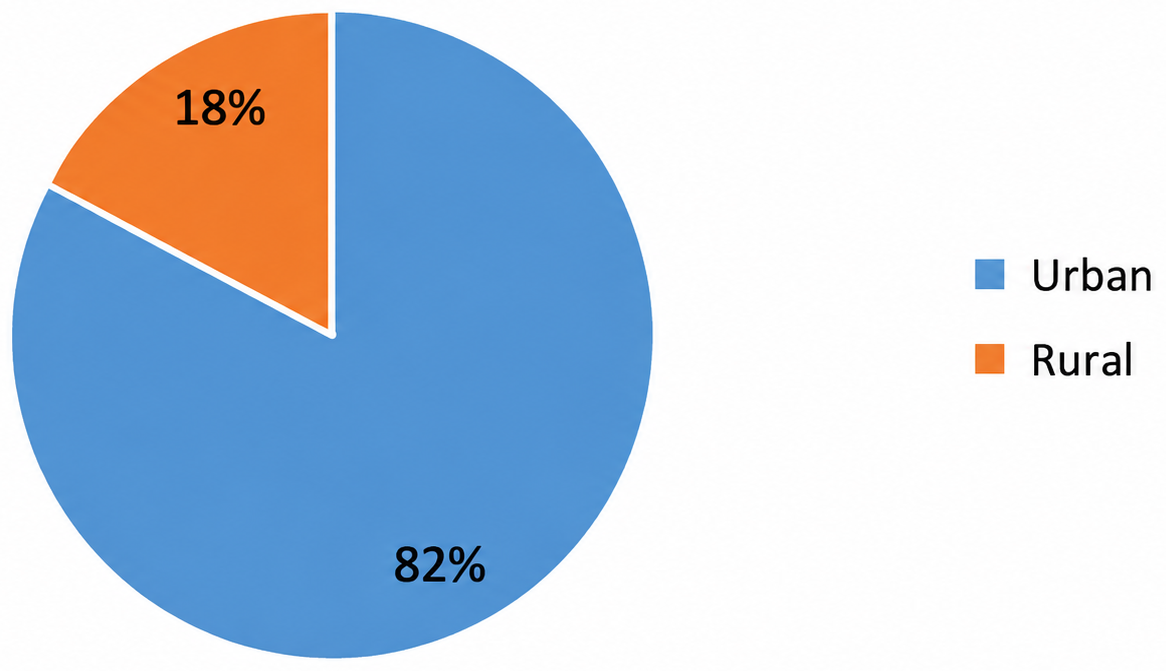
Urbanization-stratified mortality data were available for deaths occurring between 1999 and 2020, as CDC WONDER does not provide urbanization classification for deaths from 2021 onward. Within this restricted analytic subset, 698,805 deaths occurred in metropolitan areas, compared with 148,558 deaths in non-metropolitan areas.
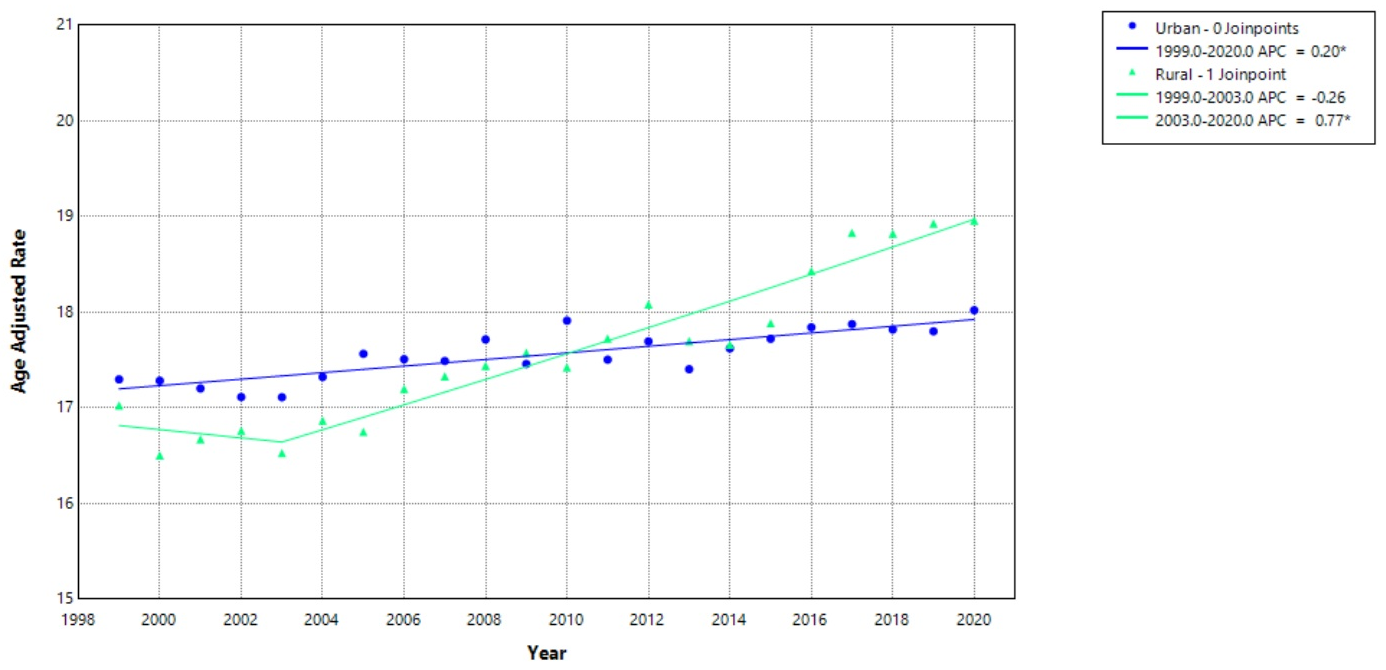
From 1999 to 2020, AAMR increased in both metropolitan and non-metropolitan areas. In metropolitan areas, AAMR increased from 17.30 to 18.01, corresponding to an AAPC of 0.20 (95% CI: 0.14 to 0.25; p = 0.000001). In non-metropolitan areas, AAMR increased from 17.02 to 18.96, with a higher AAPC of 0.58 (95% CI: 0.32 to 0.83; p = 0.00001). While the overall AAMRs were similar between non-metropolitan (17.59) and metropolitan (17.57) areas, the rate of increase over time was greater in non-metropolitan areas.
Joinpoint analysis of urbanization-stratified trends identified one inflection point in non-metropolitan areas around 2003, with an initial non-significant decline in AAMR from 17.02 in 1999 to 16.53 in 2003 (APC: -0.26; 95% CI: -1.56 to 1.06; p = 0.68), followed by a significant increase to 18.96 in 2020 (APC: 0.77; 95% CI: 0.64 to 0.91; p < 0.01). No joinpoints were identified for metropolitan areas. (Supplemental Tables 1 and 4) (Figure 3 and Figure 4).
Discussion
Summary of the Main Findings
This national analysis of deaths involving pancreatic cancer from 1999 to 2023 revealed a statistically significant increase in age-adjusted mortality rates across the United States. In terms of place of death, nearly half of all deaths occurred at the patient’s home, followed by inpatient medical facilities, nursing homes or long-term care settings, and hospice. Over one million deaths listed pancreatic cancer on their death certificates during the study period, with a discernible rise in mortality observed in both metropolitan and non-metropolitan populations. Non-metropolitan regions experienced a steeper upward trend in mortality, ultimately exhibiting slightly higher overall mortality rates than metropolitan areas. These patterns highlight persistent rural – urban differences and describe the distribution of place of death among pancreatic cancer decedents in the U.S.
Rising Pancreatic Cancer Mortality
Pancreatic cancer remains one of the most lethal malignancies in the United States with persistently poor survival outcomes. SEER data show that pancreatic cancer continues to have a five-year relative survival of approximately 12% nationally, reflecting its insidious nature and frequent late-stage diagnosis [4]. The low survival underscores why pancreatic cancer contributes disproportionately to cancer mortality despite representing a smaller share of incident cancers. Pancreatic cancer involving mortality rates have slowly but steadily risen in the U.S. over recent decades, increasing by approximately 0.2%-0.3% per year, consistent with national cancer statistics [5].
The increase in AAMR observed in this study aligns with published data demonstrating steady pancreatic cancer involving mortality trends that have not seen the significant declines seen in many other solid tumors. Possible contributors to this trend include population aging, the increasing prevalence of risk factors such as obesity and diabetes, and the absence of effective early detection strategies; however, these factors were not directly assessed in this dataset [5].
Place of Death and End-of-Life Patterns
Nearly half of deaths involving pancreatic cancer occurred at home, followed by medical and long-term care facilities. This distribution parallels other work documenting a rising proportion of cancer deaths occurring outside of inpatient settings; however, the present analysis does not assess temporal trends, patient preferences, or hospice utilization, and therefore cannot determine the underlying reasons for place-of-death patterns [14].
However, disparities exist in access to palliative care and hospice across geographic and socioeconomic strata. Medicare data reveal that rural and small-town patients are less likely to receive hospice care compared with urban patients, despite similar needs [15]. Prior studies have shown that low utilization of palliative care earlier in the disease course is associated with increased aggressive end-of-life interventions and diminished quality of life in pancreatic cancer [16,17].
Rural – Urban Disparities in Mortality
The finding of slightly higher increases in AAMRs in non-metropolitan regions than in their metropolitan counterparts corroborates emerging evidence of rural – urban cancer disparities. Pancreatic cancer mortality has been shown to rise more steeply in rural populations. Potential explanations proposed in prior literature include delayed diagnosis and limited access to specialized care, although these factors were not evaluated in the present analysis [5]. Rural residence has been linked with decreased likelihood of undergoing definitive surgical treatment and lower receipt of multimodal therapy, even after adjusting for clinical factors. These disparities may be related to structural barriers such as longer travel distances to high-volume centers and shortages of oncology specialists in rural settings, as suggested by prior studies. Still, these mechanisms could not be examined in the current dataset [18,5].
Prior studies have reported that rural populations often have higher burdens of socioeconomic disadvantages and comorbidity, which may contribute to poorer outcomes; however, these variables were not available for analysis in this study. Racial and ethnic mortality disparities also intersect with geography, with studies showing elevated mortality among Black individuals irrespective of metropolitan status [5,19].
Mechanisms Underlying Geographic Disparities
The following mechanisms are hypothesized based on prior literature and were not directly measured in the present study. Multiple pathways may contribute to the rural – urban disparities in pancreatic cancer involving mortality. Patients in rural areas may be more likely to be present with advanced disease and have lower rates of early-stage diagnosis, independent of sociodemographic factors [20]. Limited access to high-volume facilities, which are associated with improved postoperative outcomes in pancreatic cancer surgery, may exacerbate this gap [18].
Healthcare infrastructure deficits, socioeconomic deprivation, and reduced insurance coverage also disproportionately affect rural populations, which may contribute to delayed treatment initiation and decreased treatment intensity. These structural determinants of health reinforce geographic and socioeconomic inequities in cancer outcomes [18,19,20].
Strengths
This study’s principal strengths include its large, nationally representative mortality dataset spanning 25 years, which enables robust age-adjusted temporal trend analyses. The inclusion of detailed place-of-death metrics adds a unique perspective on end-of-life care patterns, while rural – urban stratification elucidates geographic inequities seldom explored in pancreatic cancer mortality research. The use of standardized metrics over a prolonged period enhances trend reliability and facilitates comparisons with national surveillance data.
Limitations
Several limitations should be acknowledged. First, reliance on death certificate data may introduce misclassification or coding errors. Second, the observational design limits causal inference regarding the drivers of mortality trends. Individual-level clinical factors such as stage at diagnosis, treatment received, and comorbidity burden were unavailable, constraining the ability to adjust for case mix. Third, socio-economic, healthcare access, and system-level variables were not directly measured, limiting the ability to evaluate mechanisms underlying observed disparities. Finally, rural – urban stratified analyses were only available through 2020. A static 2013 NCHS rural-urban classification was utilized, which presents a further limitation as county metropolitan status may change over time. Thus, the use of a single fixed classification scheme may introduce temporal misclassification. Additionally, this study utilized multiple-cause-of-death data rather than underlying-cause mortality alone, which may overestimate the burden of pancreatic cancer-related deaths and introduce potential heterogeneity in cause attribution.
Conclusion
Pancreatic cancer mortality in the United States demonstrated a modest but consistent increase between 1999 and 2023. Non-metropolitan populations experienced a steeper rise in mortality rates than metropolitan populations over the period for which stratified data were available. A substantial proportion of deaths occurred at home, reflecting evolving patterns in end-of-life care.
These findings describe temporal trends and geographic differences in mortality and care settings; however, they do not establish causal mechanisms underlying the observed disparities. Rural – urban analyses were limited to 1999 – 2020 due to data availability. In contrast, place-of-death patterns were assessed as aggregate distributions over the full study period, without linkage to geographic stratification or temporal trends.
Further research incorporating patient-level clinical, socioeconomic, and healthcare access data is needed to better understand the drivers of these disparities and to inform appropriately targeted interventions.
Key finding
A consistent rise in pancreatic cancer-related mortality with an increasing trend for rural areas emphasizes the discrepancy and the possible need for targeted interventions.
From the authors' abstract.
中文摘要
全国胰腺癌相关死亡率趋势:基于人群的城乡差异与死亡地点分布分析
背景:胰腺癌是全球第六大致死癌症,其发病率在近几十年已翻倍。现有文献缺乏对过去二十年城乡及死亡地点死亡率趋势的全面证据。本回顾性分析总结了1999年至2023年胰腺癌相关死亡趋势,并按城乡划分,以更好地指导干预策略。
方法:使用 CDC WONDER 数据库的多重死亡原因模型提取死亡证明数据,采用 ICD‑10 代码 C25.0–C25.4 及 C25.7–C25.9,研究对象为 25 岁及以上成年人,时间范围为 1999–2023。城乡化数据从 1999 年至 2020 年提取。按城乡化地区进行组织,计算每 10 万人口的年龄标准化死亡率(AAMR)。使用 Joinpoint 软件评估趋势。
结果:1999–2023 年共记录 1,002,439 例胰腺癌死亡,AAMR 从 1999 年的 17.254 上升至 2023 年的 18.446(AAPC:0.3293%)。农村地区死亡率虽初期下降(APC:-0.2572%),但自 2003 年起持续上升(APC:0.773%),并于 2010 年起超过城市死亡率。城市死亡率上升幅度较小(AAPC:0.20%)。死亡地点按跨期分布分析,死亡主要发生在死亡者家中(48.3%),其次为医疗机构(25.19%)和养老院(11.26%)。
结论:胰腺癌相关死亡率持续上升,农村地区趋势更为明显,凸显城乡差距,提示可能需要针对性干预。
本中文摘要为机器辅助翻译,仅供参考;以英文摘要为准。 Machine-assisted Chinese translation of the English abstract; the English abstract is the version of record.
References
1. Siegel RL, Miller KD, Wagle NS, Jemal A. Cancer statistics, 2023. CA Cancer J Clin. 2023;73(1):17-48. [PMID: 36633525, https://doi.org/10.3322/caac.21763].
2. Sung H, Ferlay J, Siegel RL, Laversanne M, Soerjomataram I, Jemal A, Bray F. Global Cancer Statistics 2020: GLOBOCAN Estimates of Incidence and Mortality Worldwide for 36 Cancers in 185 Countries. CA Cancer J Clin. 2021;71(3):209-49. [PMID: 33538338, https://doi.org/10.3322/caac.21660].
3. Huang J, Lok V, Ngai CH, Zhang L, Yuan J, Lao XQ, Ng K, Chong C, Zheng ZJ, Wong MCS. Worldwide Burden of, Risk Factors for, and Trends in Pancreatic Cancer. Gastroenterology. 2021;160(3):744-54. [PMID: 33058868, https://doi.org/10.1053/j.gastro.2020.10.007].
4. National Cancer Institute. Cancer Stat Facts: Pancreatic Cancer; 2025.
5. Didier AJ, Nandwani S, Fahoury AM, Craig DJ, Watkins D, Campbell A, Spencer CT, Batten M, Vijendra D, Sutton JM. Trends in pancreatic cancer mortality in the United States 1999-2020: a CDC database population-based study. Cancer Causes Control. 2024;35(12):1509-16. [PMID: 39158669, PMCID: PMC11564214, https://doi.org/10.1007/s10552-024-01906-z].
6. Cheema AAA, Shaikh A, Kumari N, Rafay MA, Khan A. Two decades of mortality trends in pancreatic cancer and diabetes mellitus: A retrospective cross-sectional study of the United States population (1999-2020). Medicine (Baltimore). 2025;104(49):e46372. [PMID: 41366957, PMCID: PMC12689041, https://doi.org/10.1097/MD.0000000000046372].
7. Henley SJ, Anderson RN, Thomas CC, Massetti GM, Peaker B, Richardson LC. Invasive Cancer Incidence, 2004-2013, and Deaths, 2006-2015, in Nonmetropolitan and Metropolitan Counties - United States. MMWR Surveill Summ. 2017;66(14):1-13. [PMID: 28683054, PMCID: PMC5879727, https://doi.org/10.15585/mmwr.ss6614a1].
8. Curtin SC, Spencer MR. Trends in Death Rates in Urban and Rural Areas: United States, 1999-2019. NCHS Data Brief. 2021;(417):1-8. [PMID: 34582331, https://doi.org/10.15620/cdc:109049].
9. Ibrahim AA, Tablawy M, Faisal MR, Fdle AS, Ehab S, Ahmed M, Jairamani S, Mostafa YM, Mohamed AA, Alokozay E, Bechibchi W, Zabady M, Elshiekh M, Farag MS, Ali A, Hemida MF. Examining the link between tobacco use and gastric cancer mortality: A US population-based perspective (2003 to 2023). Medicine (Baltimore). 2026;105(19):e48559. [PMID: 42116287, PMCID: PMC13166845, https://doi.org/10.1097/MD.0000000000048559].
10. von Elm E, Altman DG, Egger M, Pocock SJ, Gotzsche PC, Vandenbroucke JP, Initiative S. The Strengthening the Reporting of Observational Studies in Epidemiology (STROBE) statement: guidelines for reporting observational studies. J Clin Epidemiol. 2008;61(4):344-9. [PMID: 18313558, https://doi.org/10.1016/j.jclinepi.2007.11.008].
11. Ingram DD, Franco SJ. 2013 NCHS Urban-Rural Classification Scheme for Counties; 2014.
12. Anderson RN, Rosenberg HM. Age standardization of death rates: implementation of the year 2000 standard; 1998.
13. National Cancer Institute. Joinpoint Regression Program; 2025.
14. Tan JY, Wong HKK, Mee XC, Tan WY, Buss MK, Callahan MK, Forbes VE. Trends and Disparities in Location of Death Among Patients With Pancreatic Cancer. JCO Oncology Advances. 2025;(2). [https://doi.org/10.1200/oa-25-00018].
15. Ramkumar N, Wang Q, Brooks GA, Tosteson ANA, Wong SL, Loehrer AP. Association of rurality with utilization of palliative care and hospice among Medicare beneficiaries who died from pancreatic cancer: A cohort study. J Rural Health. 2023;39(3):557-64. [PMID: 36631820, PMCID: PMC10293103, https://doi.org/10.1111/jrh.12739].
16. Chawla M, Villarreal ME, Waterman BL, Di Tosto G, Gonzalez R, Sarna A, Patel R, Cloyd J, Pawlik TM, Rush LJ, McAlearney A, Ejaz A. Utilization of Palliative and Hospice Care Among Pancreatic Cancer Patients at an Academic Center. J Surg Res. 2023;289:22-6. [PMID: 37075607, https://doi.org/10.1016/j.jss.2023.03.014].
17. O'Brien J, Halsey B, Connors M, Deng M, Handorf E, Berardi G, Lynch S, Sorice K, Reddy S, Meyer J, Bauman J, Dotan E. Palliative Care and End-of-Life Care in Metastatic Pancreatic Cancer. J Palliat Med. 2025;28(2):217-23. [PMID: 39636708, https://doi.org/10.1089/jpm.2024.0313].
18. Brooks GA, Tomaino MR, Ramkumar N, Wang Q, Kapadia NS, O'Malley AJ, Wong SL, Loehrer AP, Tosteson ANA. Association of rurality, socioeconomic status, and race with pancreatic cancer surgical treatment and survival. J Natl Cancer Inst. 2023;115(10):1171-8. [PMID: 37233399, PMCID: PMC10560598, https://doi.org/10.1093/jnci/djad102].
19. Ma S, Sokale IO, Thrift AP. Trends and Variations in Pancreatic Cancer Mortality Among US Metro and Nonmetro Adults, 1999-2020. J Clin Gastroenterol. 2024;58(6):627-31. [PMID: 37983816, https://doi.org/10.1097/MCG.0000000000001929].
20. Segel JE, Hollenbeak CS, Gusani NJ. Rural-Urban Disparities in Pancreatic Cancer Stage of Diagnosis: Understanding the Interaction With Medically Underserved Areas. J Rural Health. 2020;36(4):476-83. [PMID: 32710689, https://doi.org/10.1111/jrh.12498].
Data Availability Statement
The data that support the findings of this study are openly available in CDC‐WONDER at https://wonder.cdc.gov/. The data supporting the findings of this study were obtained from the CDC WONDER online database (Centers for Disease Control and Prevention Wide‐ranging Online Data for Epidemiologic Research). Further inquiries can be directed to the corresponding author
License
Copyright (c) 2026 Zuha Tariq, Alyaa Ahmed Ibrahim, Ahmed Khairy, Mohammad Rayyan Faisal, Abdelrahman Aly Mohamed, Rahemeen Goraya, Mahmoud Tablawy, Ibtissam ElGhazzani, Mohamed Ibrahim, Sihame ElGhazzani, Mahdi Ahmed, Ilhame ElGhazzani, Mohamed Zabady, Ahmed Atef Mohamed, Yara Refaii, Mohamed Fawzi Hemida

This work is licensed under a Creative Commons Attribution 4.0 International License.
Copyright and Licensing
All articles published in ASIDE Oncology are open access and freely available online immediately upon publication, without embargo.
This journal applies the terms of the Creative Commons Attribution 4.0 International License (CC BY 4.0). Under this license, anyone may copy, redistribute, remix, transform, and build upon the material for any purpose, even commercially, provided that proper credit is given to the original author(s), a link to the license is provided, and any changes made are indicated.
-
License link: https://creativecommons.org/licenses/by/4.0/
-
Machine-readable license metadata is embedded in each article and its DOI record.
Copyright Holder
Copyright in all articles remains with the author(s). ASIDE Oncology is published and owned by PubPorta Publishing LLC. By submitting a manuscript, authors agree to grant the publisher a non-exclusive license to publish, distribute, archive, and identify itself as the original publisher of the work under the terms of the CC BY 4.0 license.
Academic oversight and scholarly guidance are provided by the American Society for Inclusion, Diversity, and Equity in Healthcare (ASIDE). Copyright and licensing arrangements are administered by the publisher.
Third-party Material
Any material (e.g., images, figures, or tables) not covered by CC BY 4.0 will be clearly indicated in the article. Users must obtain permission directly from the copyright holder for reuse of such third-party material.
Author Rights and Self-Archiving
Authors are permitted to deposit all versions of their work (preprint, author’s accepted manuscript, and version of record) in institutional or subject repositories of their choice immediately upon publication, without embargo, provided that the DOI and license information are included.

Additional Files
Published
Issue
Section
How to Cite
Article history
- Received
- 13 Mar 2026
- Received in revised form
- 18 May 2026
- Accepted
- 21 Jun 2026
- Published
- 23 Aug 2026